

Benzyl salicylate
Pleasant Aroma: Benzyl salicylate exhibits a delicate, sweet-floral scent, making it a popular choice for use in fragrance compositions. It contributes a subtle and appealing aroma to cosmetic and personal care products.
Natural Origin: Naturally present in a variety of plants and botanical extracts, it serves as a naturally derived ingredient that enhances the appeal of perfumes and personal care formulations.
Versatile Solubility: It is slightly soluble in chloroform and methanol, allowing for easy integration into a wide range of product formulations and enhancing its adaptability across different applications.
Stable Physical Characteristics: With a melting point of 18–20°C and a boiling point of 168–170°C, benzyl salicylate maintains stability under varying temperature conditions, ensuring consistent performance in end products.
1. Product Overview
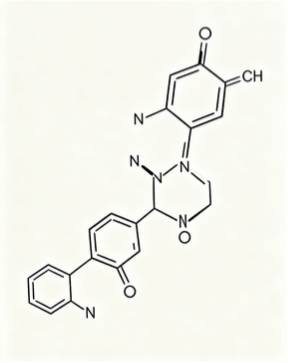
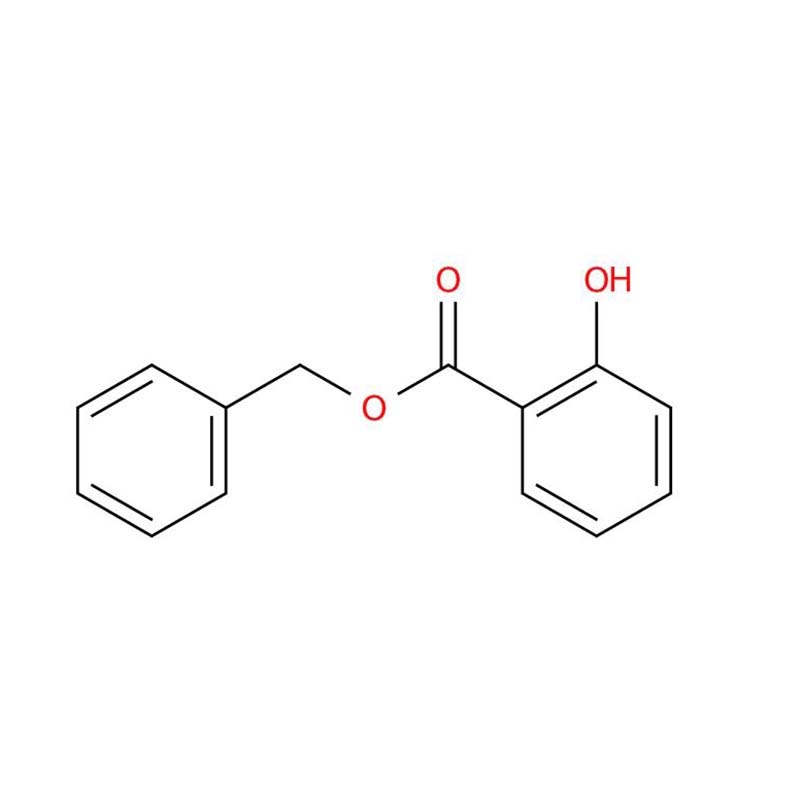
Benzyl salicylate is an organic ester compound formed from salicylic acid and benzyl alcohol. It belongs to the salicylate family and is widely used in the fragrance, cosmetic, and flavor industries. Chemically, it is designated as benzyl 2-hydroxybenzoate, reflecting its structure as a benzoate ester with a phenolic hydroxyl group .
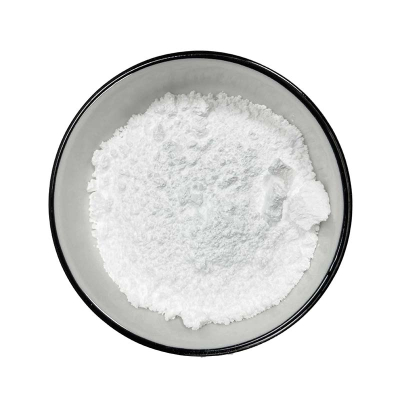
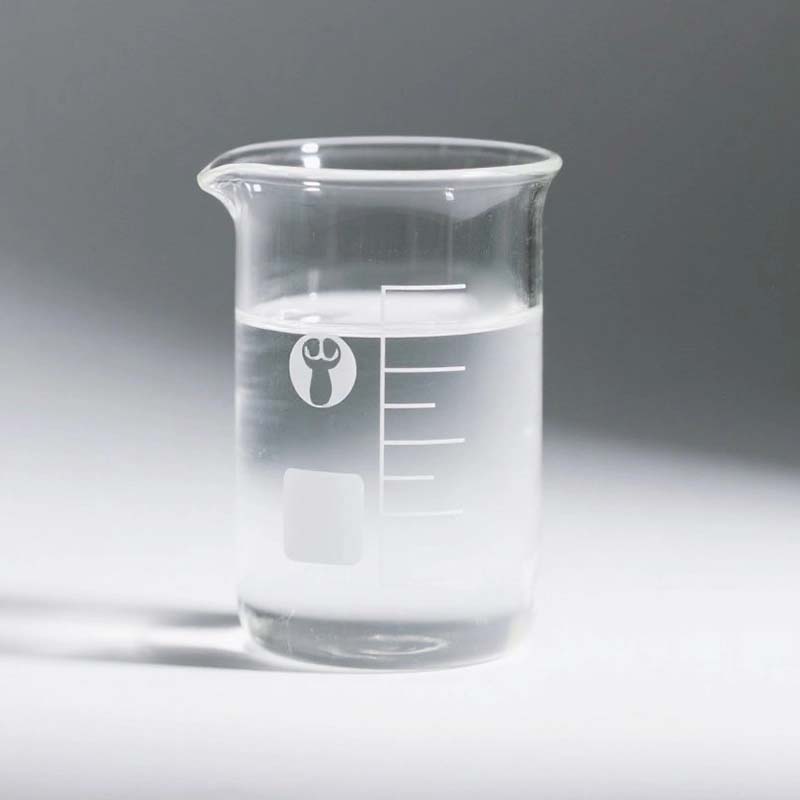
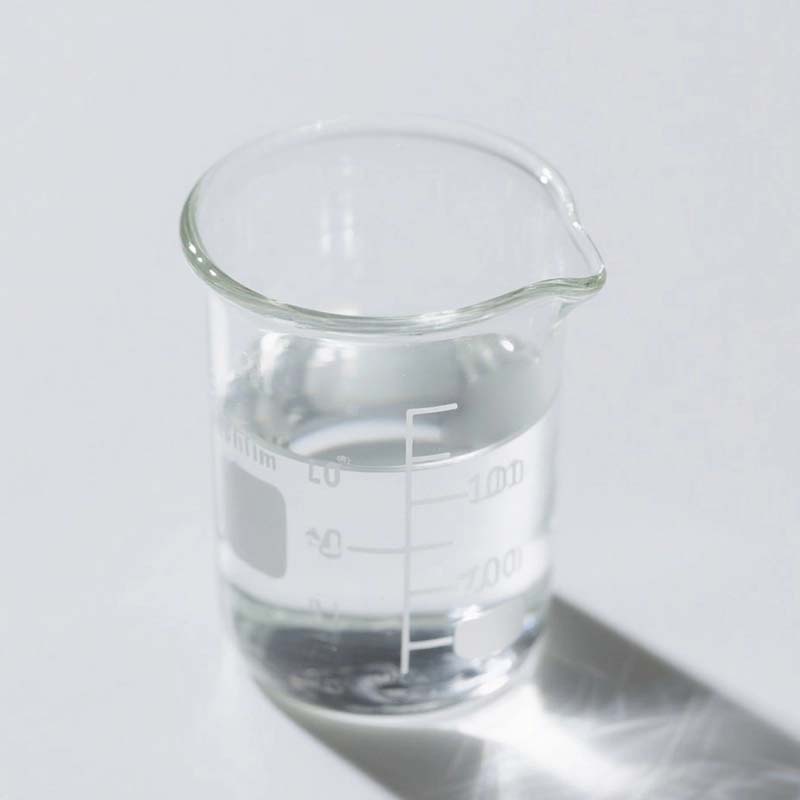
Its chemical formula is C₁₄H₁₂O₃ with CAS number 118-58-1 and molecular weight of approximately 228.24 g/mol . The product typically appears as a colorless to pale yellow liquid or crystalline mass, with a melting point near room temperature (18-24°C), meaning it may solidify in cooler environments .
Benzyl salicylate occurs naturally in several plants, including carnation oil (Dianthus caryophyllus), primrose (Primula auricula), ylang-ylang, jasmine, and tuberose. It is also found in American cranberry, clove bud, peppermint oil, and buckwheat . Commercial production is primarily through chemical synthesis, though natural-derived versions are available.
As a versatile fragrance ingredient, benzyl salicylate serves multiple functions: it provides a sweet, floral-balsamic scent, acts as an excellent fixative, functions as a UV light absorber, and serves as a solvent for crystalline musks . Its widespread use spans fine fragrances, personal care products, household cleaners, and food flavors.
2. Key Features
Pleasant Floral-Balsamic Aroma: Exhibits a sweet, floral scent with balsamic undertones, often described as very faint, sweet-floral, and slightly balsamic. Some individuals perceive it as musky, and trace impurities can significantly influence the odor profile .
Excellent Fixative Properties: Acts as an outstanding fixative in perfumery, slowing the evaporation rate of more volatile fragrance components and extending the longevity of scent profiles. Particularly valued in floral perfumes such as carnation, jasmine, lilac, and wallflower .
Superior Solvent Capabilities: Functions as an effective solvent for crystalline synthetic musks and other difficult-to-dissolve aromatic materials, enabling their incorporation into fragrance formulations .
UV Light Absorption: Exhibits UV-absorbing properties, providing additional functionality in sunscreen and cosmetic formulations where UV protection is desired .
Natural Occurrence: Found naturally in various plants and essential oils, appealing to formulators seeking naturally derived ingredients. Available in both synthetic and natural-extracted forms .
Broad Application Compatibility: Demonstrates excellent stability across a wide pH range (2-10) and in various product bases including shampoos, fabric conditioners, soaps, antiperspirants, and household cleaners .
Multi-Industry Approvals: Recognized with multiple regulatory identifiers including FEMA 2151 (for food use), CAS 118-58-1, and EINECS 204-262-9, supporting its use across fragrance, flavor, and cosmetic applications .
3. Technical Specifications with Explanations
| Parameter | Typical Value/Specification | Description & Significance |
|---|---|---|
| Molecular Formula | C₁₄H₁₂O₃ | Core identifier for chemical structure; a benzoate ester with a phenolic hydroxyl group . |
| Molecular Weight | 228.24 g/mol | Used for quantitative analysis and formulation calculations . |
| CAS Number | 118-58-1 | Universal chemical substance identifier . |
| FEMA Number | 2151 | Flavor and Extract Manufacturers Association number for food flavor applications . |
| EINECS Number | 204-262-9 | European inventory identifier . |
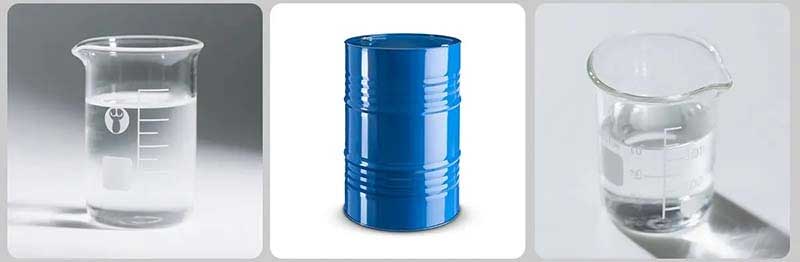
| Appearance | Colorless to pale yellow liquid or white crystalline mass | Visual quality indicator. May solidify below 18-24°C; warm gently to liquefy . |
| Odor Description | Sweet, floral, balsamic, faintly sweet with musky undertones | Sensory characteristic critical for fragrance applications. Some individuals perceive as musky . |
| Purity (Assay) | ≥98% – ≥99.5% (grade dependent) | Core specification. Higher purity minimizes off-notes and ensures consistent performance. Food grade typically meets FG specifications . |
| Melting Point | 18°C – 24°C | Characteristic physical constant. Product may solidify at cooler temperatures; normal physical variation . |
| Boiling Point | 299°C – 320°C (at atmospheric pressure) | High boiling point suitable for high-temperature processes; also reported as 190°C at 14 mmHg . |
| Flash Point | >137°C – >212°F (>100°C) | High flash point indicates relatively low fire risk, but remains combustible . |
| Density | 1.176 – 1.180 g/mL at 25°C | Slightly heavier than water; used for volume-to-weight conversions . |
| Refractive Index | 1.579 – 1.582 (20/D) | Optical property used for purity verification and quality control . |
| Solubility | Water: ~8.8 mg/L at 20°C (practically insoluble) Organic solvents: Soluble in ethanol, oils, and typical fragrance materials | Determines application systems. Requires organic solvents or emulsification for aqueous formulations . |
| Log P (Partition Coefficient) | 3.2 – 4.01 | High lipophilicity indicates good oil solubility and potential for skin substantivity . |
| Acid Value | ≤ 0.5 mg KOH/g | Controls free acid content, ensuring product quality and stability . |
| Vapor Pressure | < 0.0013 hPa | Very low volatility, contributing to its effectiveness as a fixative . |
| Tenacity on Blotter | Several weeks | Indicates longevity of scent on fragrance testing strips; excellent staying power . |
4. Applications
Fragrance & Perfumery
Fine Fragrances: Core ingredient providing sweet floral-balsamic notes in perfumes for men and women. Particularly valued in floral compositions such as carnation, jasmine, lilac, gardenia, tuberose, and wallflower .
Fixative: Extends the longevity of fragrance profiles by slowing evaporation of volatile top notes. Creates depth and roundness in perfume compositions .
Solvent for Musks: Dissolves crystalline synthetic musks and other difficult-to-solubilize aromatic materials, facilitating their incorporation into fragrance concentrates .
Blending Agent: Provides excellent rounding and harmonizing effects, smoothing out harsh notes and creating olfactory cohesion .
Cosmetics & Personal Care
Skin Care Products: Incorporated into lotions, creams, and body washes for its pleasant scent and skin-conditioning benefits. Usage levels vary by product type .
Hair Care: Used in shampoos, conditioners, and styling products, demonstrating excellent stability in shampoo bases (pH 6) .
Decorative Cosmetics: Added to foundations, lipsticks, and makeup products for fragrance masking and aesthetic appeal.
Sunscreens & UV Protection: Provides UV-absorbing properties, contributing to photoprotection in sunscreen formulations .
Antiperspirants & Deodorants: Stable in antiperspirant bases (pH 3.5) with good performance .
Household & Fabric Care
Laundry Products: Excellent stability in fabric detergents (pH 9) and fabric conditioners (pH 3), with good blooming properties in soap .
Household Cleaners: Used in all-purpose cleaners, surface sprays, and air fresheners, with good stability in acid cleaners (pH 2) and bleach (pH 11) .
Fabric Sprays: Provides substantivity on fabrics (damp substantivity rated ★★★), contributing to long-lasting freshness .
Flavor Industry
Food Flavoring: Used as a flavoring agent (FEMA 2151) in food products, contributing to fruit flavors such as apricot, peach, banana, raspberry, and cherry. Also used in currant-type flavors .
Beverage Flavors: Incorporated into soft drinks and alcoholic beverages at recommended usage levels of 0.01-5 mg/kg in finished products .
Confections: Used in candies, desserts, and baked goods for fruity and balsamic notes.
Pharmaceutical Applications
Excipient: Acts as a solvent and stabilizer in pharmaceutical formulations, improving efficacy and shelf-life of medications .
Topical Preparations: Incorporated into ointments and creams for its mild antimicrobial properties and pleasant scent.
Research Applications
Fragrance Chemistry: Used in studies related to fragrance chemistry, skin absorption, and dermal sensitization .
Antimicrobial Studies: Exhibits antioxidant and antimicrobial activity, studied for potential applications in preservation .
5. Product Grade Comparison
| Parameter/Grade | Industrial/Fragrance Grade | Food Grade (FG) | High Purity/Refined Grade | Natural/COSMOS Grade |
|---|---|---|---|---|
| Core Standard | Meets general industrial specs | Meets FG specifications, FEMA 2151 | ≥99.5% purity for premium applications | Naturally derived, meets natural standards |
| Purity (Assay) | ≥98% - 99% | 98% - 100% (GC) | ≥99.5% | ≥98% |
| Appearance | Colorless to pale yellow liquid | Almost colorless liquid | Colorless liquid | Colorless to pale yellow liquid |
| Odor Profile | Sweet, floral, balsamic | Clean floral-balsamic | Exceptionally clean, minimal off-notes | Natural floral-balsamic profile |
| Critical Parameters | Acid value, refractive index, density | FEMA compliance, purity, odor profile, KOSHER certification | Ultra-low acid value, consistent refractive index, heavy metals control | Natural origin content (>50% renewable carbon), sustainable sourcing |
| Key Applications | General fragrance compounding, household products, industrial applications | Food flavors, beverages, confections, pharmaceutical flavors | Premium perfumery, luxury cosmetics, sensitive applications | Natural cosmetics, organic formulations, "clean label" products |
| Certifications | Manufacturer COA | FEMA 2151, KOSHER, Certificate of Analysis | Enhanced COA with full impurity profile | Renewable carbon certification, COSMOS/Ecocert |
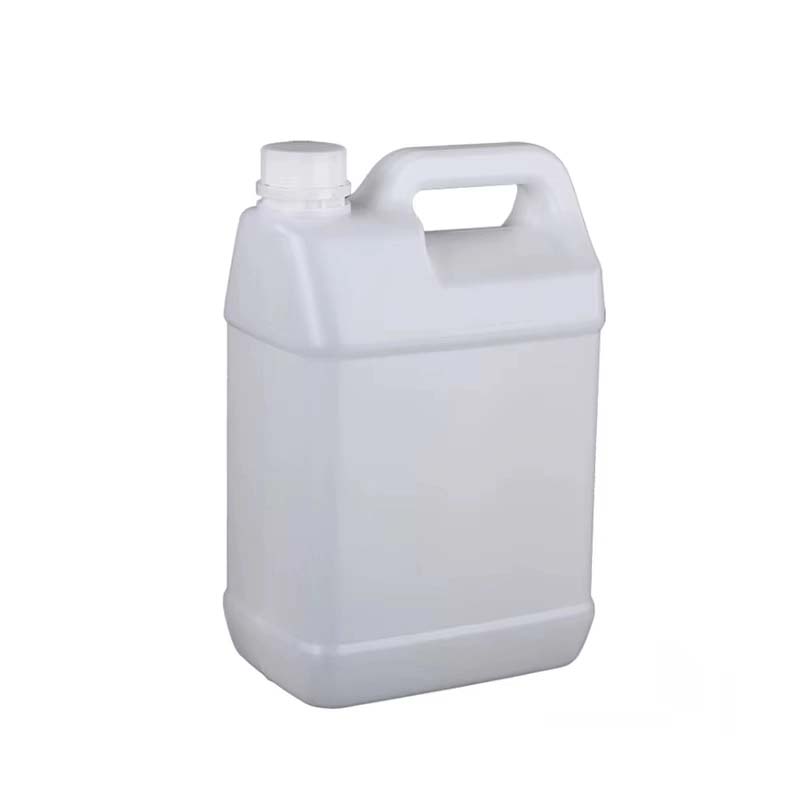
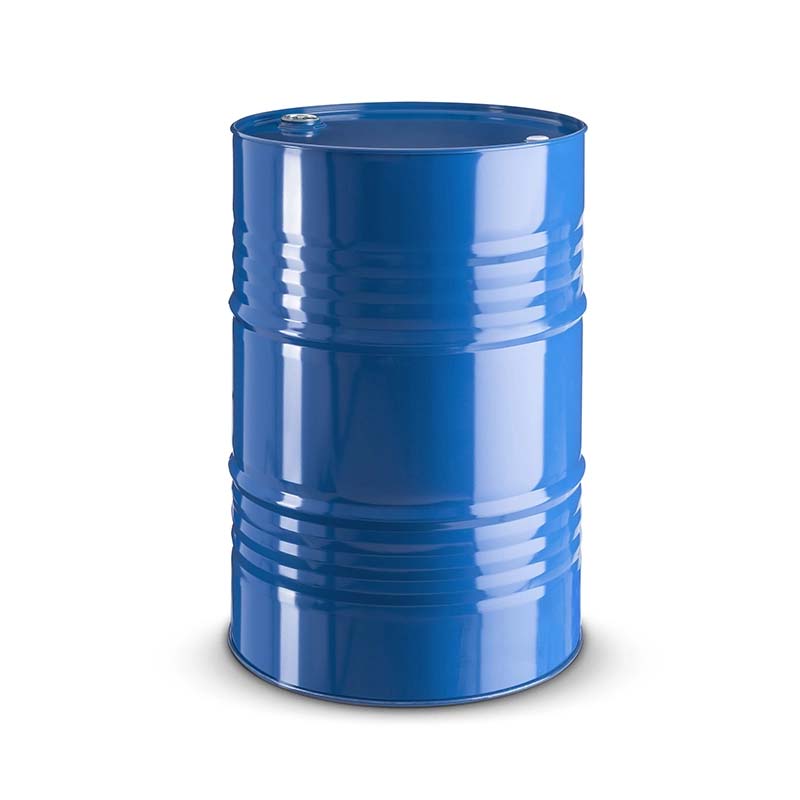
| Packaging | 225 kg drums, 25 kg drums, 5 kg containers | 25 kg drums, 5 kg containers, sample sizes | 25 kg drums, 5 kg, 1 kg for development | Various, with sustainability focus |
| Typical Price Position | Reference | +10-20% | +20-35% | +30-50% |
6. Purchasing & Selection Guide
Select by Application Area
Fragrance & Perfumery Manufacturers:
Standard Fragrance Grade (≥98-99%): Suitable for most fine fragrance and personal care applications. Focus on odor profile consistency and acid value.
Premium Perfumery: Choose High Purity Grade (≥99.5%) with exceptionally clean odor profile for luxury fragrances where absolute purity is required.
Solvent for Musks: Ensure product has good solvency for crystalline materials; standard grade typically sufficient.
Food & Flavor Manufacturers:
Must select Food Grade (FG) meeting FEMA 2151 specifications .
Verify KOSHER certification if required for your market .
Request Certificate of Analysis confirming purity (98-100% GC) and absence of contaminants.
Note recommended usage levels: 0.01-5 mg/kg in finished food products .
Cosmetic & Personal Care Formulators:
Standard Grade: Suitable for most rinse-off and leave-on applications.
For natural/organic products: Select Natural Grade with documented natural origin content (>50% renewable carbon) and appropriate certifications .
Verify stability in your specific product base (reference stability data across pH 2-11) .
Maximum recommended usage levels: Up to 40% in fragrance concentrates; lower in finished products .
Household & Industrial Formulators:
Industrial Grade: Cost-effective option for high-volume applications.
Focus on acid value and appearance specifications.
Verify compatibility with your specific formulation base (acid cleaners, bleach, etc.) .
Regulatory & Safety Considerations
⚠️ Important Regulatory Notes:
Allergen Labeling: Benzyl salicylate is classified as a potential skin sensitizer and is included in the EU Cosmetics Regulation Annex III as a fragrance allergen requiring declaration on product labels when concentration exceeds 0.001% in leave-on products and 0.01% in rinse-off products .
IFRA Standards: Subject to International Fragrance Association (IFRA) restrictions based on quantitative risk assessment (QRA) for sensitization .
CIR Safety Assessment: The Cosmetic Ingredient Review (CIR) Expert Panel concluded that Benzyl Salicylate is safe in cosmetics when formulated to be non-irritating and non-sensitizing, based on quantitative risk assessment .
Food Use: Approved as FEMA 2151; verify current regulatory status in your target market .
Environmental Classification: Harmful to aquatic life with long-lasting effects. Readily biodegradable (>60% in 28 days) .
Physical Form & Storage Considerations
Benzyl salicylate has a melting point of 18-24°C and may solidify in cooler environments .
If solidified, warm gently to 25-30°C and mix thoroughly before use. Quality remains unaffected.
Store in tightly sealed containers in cool, dry, well-ventilated areas away from direct sunlight, heat sources, and oxidizing agents .
Recommended storage temperature: 0-8°C for long-term stability (some suppliers) ; ambient storage acceptable with protection from extreme temperatures.
Shelf life: Typically 24 months when stored properly .
Handling Precautions
Use personal protective equipment (gloves, safety glasses) when handling.
Avoid release to the environment.
Ensure adequate ventilation in work areas.
7. Frequently Asked Questions (FAQ)
Q: What does benzyl salicylate smell like?
A: Benzyl salicylate has a sweet, floral-balsamic aroma often described as "very faint, sweet-floral, slightly balsamic." Some individuals perceive it as musky, and trace impurities can significantly influence the odor profile. It provides a subtle, pleasant background note rather than an overpowering scent .
Q: Why does benzyl salicylate sometimes solidify in the container?
A: Benzyl salicylate has a melting point of 18-24°C (approximately room temperature). In cooler environments (below 20°C), it will naturally solidify into a white crystalline mass. This is completely normal and does not indicate any quality issue. Simply warm the container gently to 25-30°C (e.g., in a warm water bath) and mix thoroughly before use. The product returns to its liquid state without any change in properties .
Q: Is benzyl salicylate natural or synthetic?
A: Both options are available. Benzyl salicylate occurs naturally in plants including carnation, primrose, jasmine, ylang-ylang, and tuberose . Commercial supplies are typically synthetic due to cost and consistency, but natural grades derived from essential oils or produced via natural processes are available for natural cosmetics and "clean label" formulations. The natural origin content can exceed 50% renewable carbon .
Q: Is benzyl salicylate safe for use in cosmetics?
A: Yes, when used appropriately. The Cosmetic Ingredient Review (CIR) Expert Panel concluded that Benzyl Salicylate is safe in cosmetics in the present practices of use and concentration when formulated to be non-irritating and non-sensitizing . However, it is classified as a potential allergen and must be declared on product labels in the EU when concentrations exceed specified thresholds (0.001% in leave-on, 0.01% in rinse-off products) . Always follow IFRA guidelines based on quantitative risk assessment .
Q: Can benzyl salicylate be used in food products?
A: Yes, benzyl salicylate is approved as a food flavoring agent with FEMA number 2151 . It is used in fruit flavors (apricot, peach, banana, raspberry, cherry) and currant-type flavors at recommended usage levels of 0.01-5 mg/kg in finished food products . Always verify current regulatory status in your target market.
Q: What is the function of benzyl salicylate in perfumery?
A: Benzyl salicylate serves three primary functions in perfumery:
Fixative: Slows evaporation of volatile fragrance components, extending scent longevity
Solvent: Dissolves crystalline musks and other difficult-to-solubilize materials
Blending agent: Provides rounding and harmonizing effects, smoothing harsh notes
Its tenacity on blotter lasts "several weeks," indicating excellent staying power .
Q: Is benzyl salicylate biodegradable?
A: Yes, benzyl salicylate is classified as readily biodegradable, achieving >60% degradation in ready biodegradation tests within 28 days . However, it is classified as harmful to aquatic life with long-lasting effects, so care should be taken to avoid environmental release .
Q: What is the recommended usage level for benzyl salicylate?
A: Usage levels vary by application:
Fragrance concentrates: Up to 40%
Finished cosmetic products: Typically 0.1-1.0% depending on product type
Food products: 0.01-5 mg/kg in finished food
Soap: Excellent blooming properties at typical usage levels
Always follow IFRA guidelines and local regulations for specific product categories.
Q: Does benzyl salicylate provide UV protection?
A: Yes, benzyl salicylate exhibits UV light absorption properties and is used in some cosmetic formulations for this purpose . However, it is not typically used as a primary sunscreen agent but may contribute to overall UV protection in combination with other ingredients.
Q: How should benzyl salicylate be stored?
A: Store in tightly sealed containers in a cool, dry, well-ventilated area away from direct sunlight, heat sources, and oxidizing agents . Some suppliers recommend storage at 0-8°C for long-term stability . If stored at ambient temperatures and solidification occurs, warm gently before use. Shelf life is typically 24 months under proper conditions .
8. Delivery, Certification & Service
Delivery Capabilities
Inventory Status: Common grades available from regional warehouses (US, Europe, Asia)
Sample Program: Small quantities (100g-1kg) available for research institutions and manufacturers for formulation testing and evaluation
Packaging Options:
Research quantities: 100g, 500g, 1kg glass bottles or aluminum containers
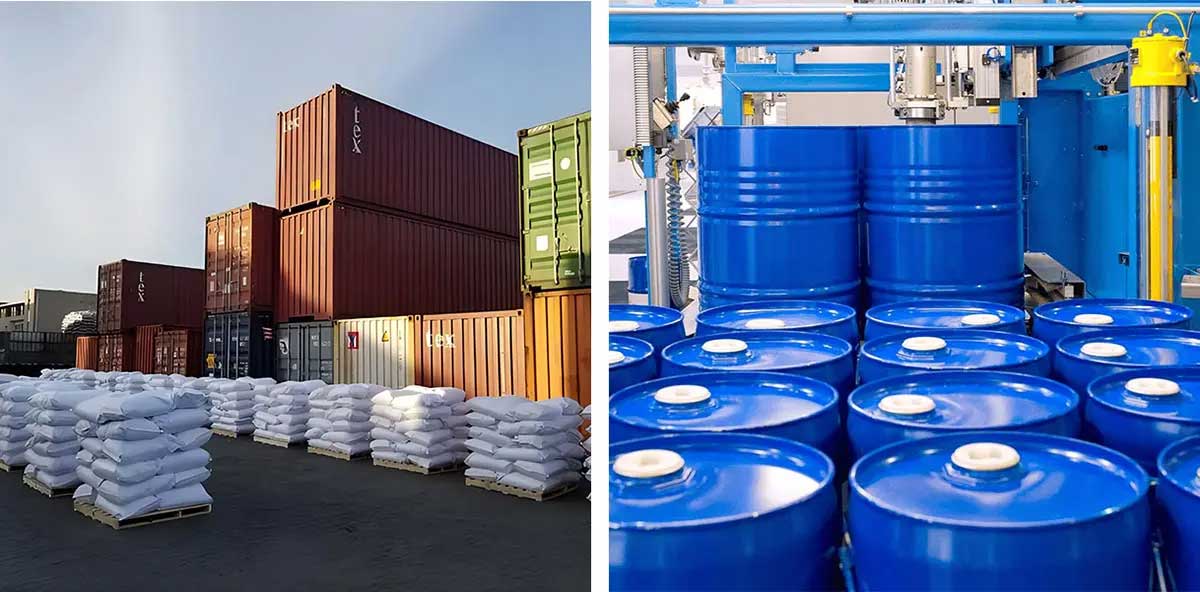
Industrial quantities: 5kg, 25kg drums, 225kg drums
Custom packaging: Available for volume customers (IBC totes, bulk tankers)
Shipping: Non-hazardous material; standard freight shipping available (express, LTL, full truckload, container)
Quality Certifications
Certificate of Analysis (COA) provided with each batch for qualified grades, documenting:
Appearance
Purity (GC)
Refractive index
Density
Acid value
Heavy metals (where applicable)
Safety Data Sheet (SDS) available in multiple languages
Product Specification (PS) documenting chemical composition, physical properties, and storage requirements
Certificates of Origin (COO) available upon request for customs and regulatory compliance
Additional certifications available:
KOSHER certification
Halal certification (available upon request)
Natural origin content documentation
IFRA compliance statements
Technical Support & Services
Technical Consultation: Application specialist team available for formulation assistance, stability guidance, and regulatory support
Custom Services: Tailored purity specifications and packaging options for long-term partnership customers
Regulatory Support: Documentation packages for product registration in target markets, including EU allergen declaration support
Documentation Available
Certificate of Analysis (COA)
Safety Data Sheet (SDS/MSDS)
Technical Data Sheet (TDS)
Product Specification (PS)
Certificate of Origin (COO)
KOSHER Certificate
IFRA Compliance Statement
Allergen Declaration