

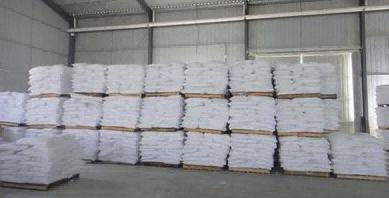
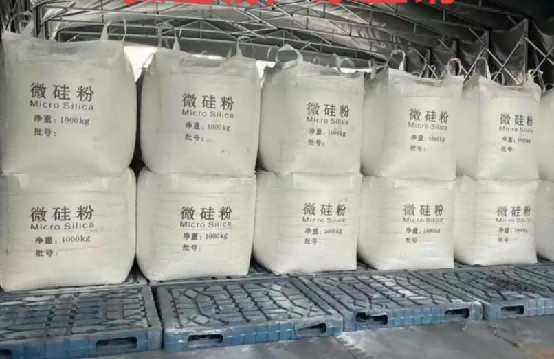
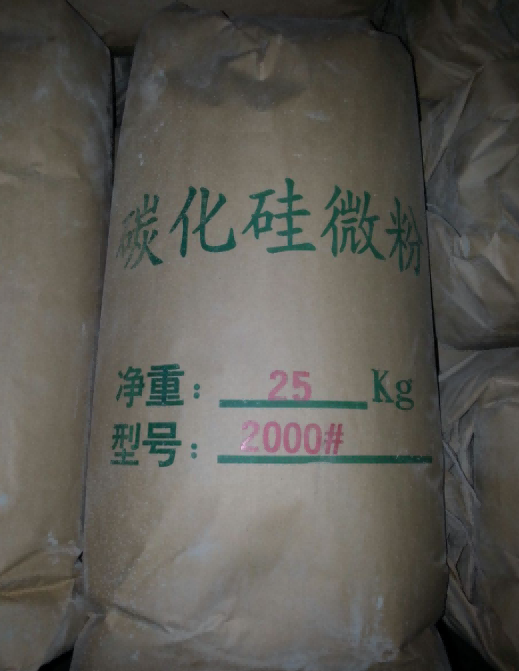
Silica Powder CAS# 7631-86-9
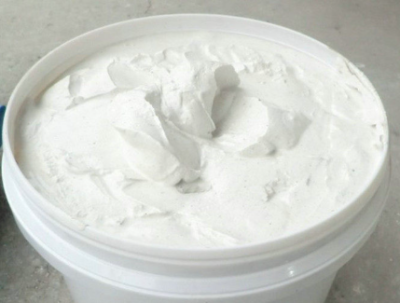
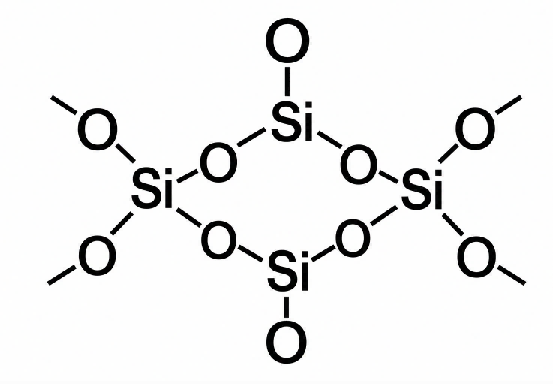
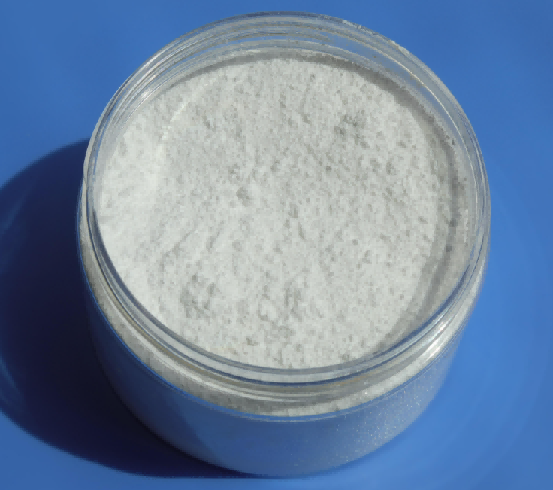
High Purity & Excellent Chemical Stability: Silica Powder, also known as Silicon Dioxide, is a high-purity inorganic compound with the molecular formula SiO₂. It typically appears as a fine white, odorless powder with excellent chemical stability, high hardness, and outstanding thermal resistance. It is widely used as a functional filler, reinforcing agent, and performance-enhancing additive in various industrial applications.
Low Solubility & Thermal Resistance: Silica Powder is practically insoluble in water and most organic solvents. It exhibits excellent thermal stability and maintains its chemical properties under normal industrial conditions. Amorphous silica generally has a melting point of approximately 1,700°C and a density of approximately 2.2 g/cm³. It is resistant to most acids but can react with hydrofluoric acid and strong alkalis under appropriate conditions.
Versatile Industrial Uses: Silica Powder is extensively used in rubber, plastics, paints, coatings, adhesives, sealants, ceramics, and construction materials. It functions as a reinforcing agent, anti-caking agent, thickening agent, and filler, helping improve mechanical strength, wear resistance, surface properties, and product stability. It is also utilized in electronics, refractory materials, glass manufacturing, and other specialized industrial applications.
Fine Powder & Excellent Dispersion: This material is supplied as a fine white powder with controlled particle size distribution and high specific surface area, depending on the manufacturing process and product grade. It provides excellent dispersion characteristics and contributes to improved mechanical performance, dimensional stability, and processing properties. Different grades are available to meet specific requirements for industrial formulations.
Silica Powder, characterized by the molecular formula SiO₂, presents as a fine white, odorless inorganic powder. It has a molecular weight of 60.08 g/mol and is practically insoluble in water and most organic solvents. Amorphous silica has a typical density of approximately 2.2 g/cm³ and a melting point of approximately 1,700°C. Its pH generally ranges from 4.0 to 9.0, depending on the grade and testing conditions. The substance exhibits excellent chemical stability, thermal resistance, and mechanical properties. It is widely employed as a reinforcing filler in rubber and plastics, a functional additive in coatings and adhesives, and a performance-enhancing material in ceramics, electronics, construction materials, and various industrial formulations.
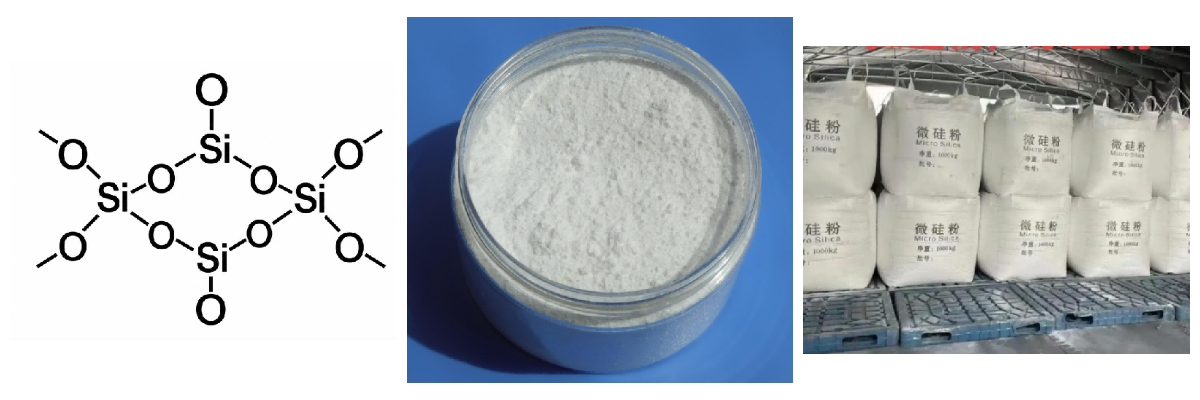
Silica Powder Chemical Properties
Property | Value |
|---|---|
Chemical Name | Silicon Dioxide |
Molecular Formula | SiO₂ |
CAS Number | 7631-86-9 (Amorphous Silica) |
EC Number | 231-545-4 |
Molecular Weight | 60.08 g/mol |
Melting Point | Approximately 1,700°C (Amorphous Silica) |
Boiling Point | Approximately 2,230°C (Reference Value) |
Density | Approximately 2.2 g/cm³ |
Appearance | Fine Powder |
Color | White |
Odor | Odorless |
Physical State | Solid |
pH Range | 4.0–9.0 (Grade Dependent) |
Water Solubility | Practically Insoluble (Slight Solubility) |
Organic Solvent Solubility | Insoluble |
Thermal Stability | Stable Under Normal Conditions |
Specific Surface Area | Grade Dependent |
Particle Size | Grade Dependent |
SiO₂ Content | Grade Dependent |
Moisture Content | Grade Dependent |
Bulk Density | Grade Dependent |
Crystal Structure | Amorphous or Crystalline, Depending on Grade |
Refractive Index | Approximately 1.46 (Amorphous Silica) |
Sensitivity | Generally Stable |
InChIKey | VYPSYNLAJGMNEJ-UHFFFAOYSA-N |
HS Code | 2811.22 |
Safety Information
Property | Information |
|---|---|
GHS Classification | Depends on Silica Type and Product Grade |
Hazard Codes | Grade Dependent |
Hazard Symbols | Grade Dependent |
Signal Word | Grade Dependent |
Risk Statements | Dust May Cause Respiratory and Eye Irritation |
Safety Statements | Avoid Inhalation of Dust; Use Appropriate Protective Equipment |
Inhalation | Avoid Breathing Dust; May Cause Respiratory Irritation |
Skin Contact | May Cause Mechanical Irritation |
Eye Contact | Dust May Cause Mechanical Eye Irritation |
Ingestion | Avoid Ingestion |
Protective Equipment | Safety Goggles, Protective Gloves, and Suitable Dust Mask or Respirator |
First Aid – Inhalation | Move to Fresh Air; Seek Medical Attention if Symptoms Persist |
First Aid – Skin Contact | Wash Thoroughly with Soap and Water |
First Aid – Eye Contact | Rinse Cautiously with Plenty of Water |
First Aid – Ingestion | Rinse Mouth with Water; Seek Medical Advice if Necessary |
Fire Hazard | Non-Flammable |
Storage Conditions | Store in a Cool, Dry, and Well-Ventilated Place |
Incompatible Materials | Hydrofluoric Acid, Strong Alkalis, and Certain Reactive Fluorinating Agents |
Environmental Precautions | Avoid Uncontrolled Release into the Environment |
Transport Information | Generally Not Regulated as Dangerous Goods |
Disposal | Dispose of in Accordance with Applicable Local Regulations |
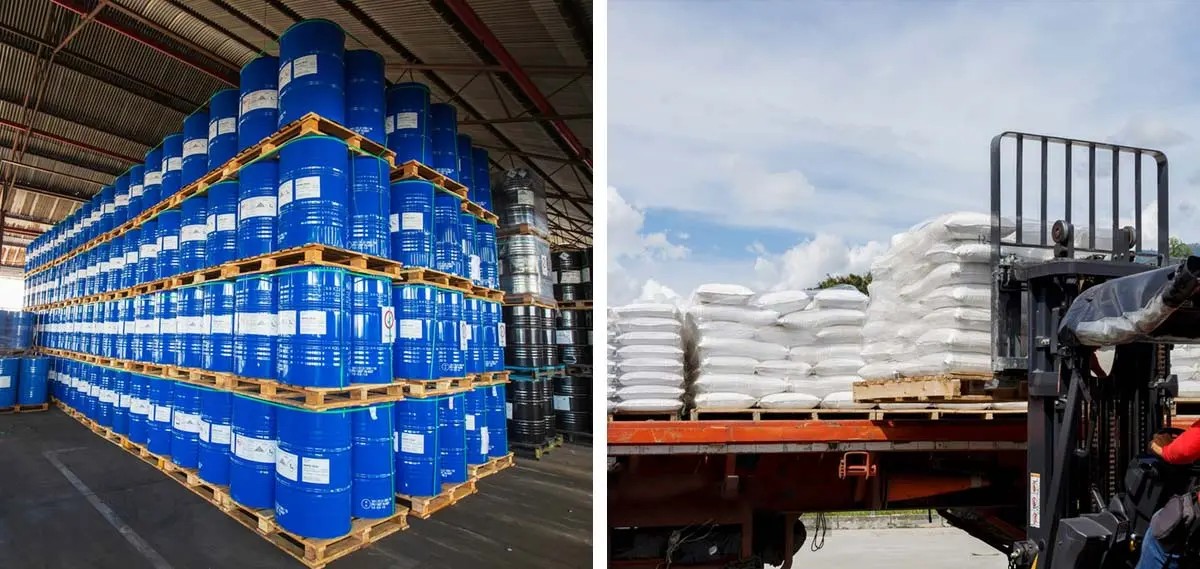
This compound is extensively employed as a reinforcing agent in rubber manufacturing, a functional filler in plastic processing, and an additive in paints and coatings. In the rubber industry, Silica Powder improves tensile strength, tear resistance, abrasion resistance, and overall mechanical performance. In plastics, it enhances dimensional stability, surface hardness, and processing characteristics. In coatings and paints, it provides anti-settling, matting, thickening, and anti-scratch properties. Additionally, it finds applications in adhesives, sealants, ceramics, glass manufacturing, electronics, refractory materials, construction products, and advanced composite materials. Specialized grades, including precipitated silica, fumed silica, and high-purity silica powder, are available for different industrial and technological requirements.