

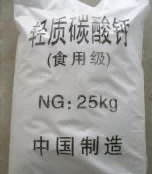
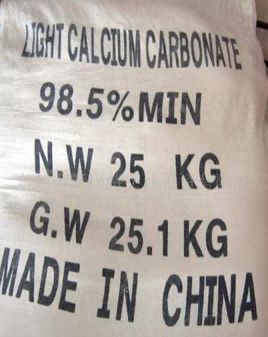
Precipitated Calcium Carbonate (PCC) CAS#:471-34-1
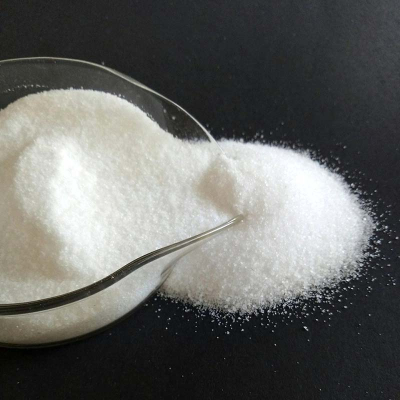
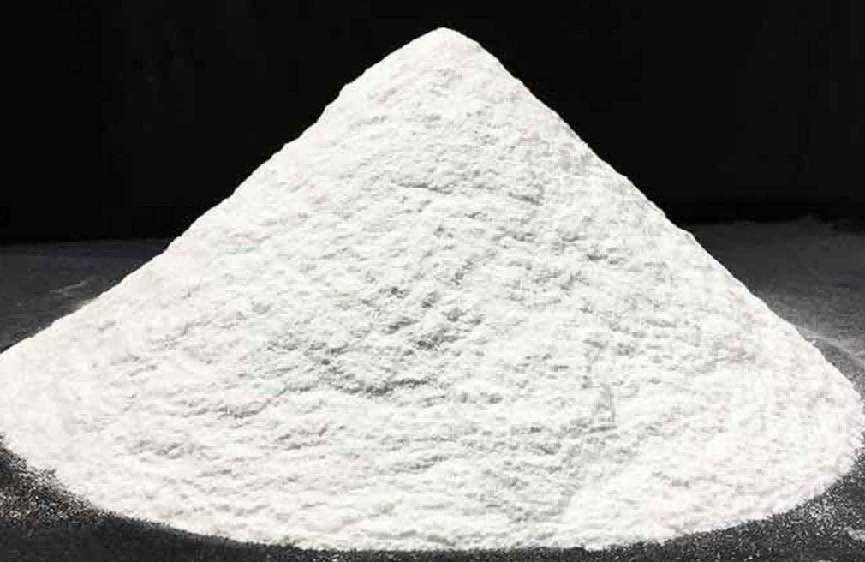
High Purity & Excellent Whiteness: Precipitated Calcium Carbonate (PCC) is a high-purity inorganic compound produced through a controlled chemical precipitation process. It appears as a fine, white, odorless powder with excellent whiteness, uniform particle size, and consistent quality. Its particle size, crystal morphology, and surface properties can be customized to meet various industrial requirements.
Low Solubility & Alkaline Properties: Precipitated Calcium Carbonate is practically insoluble in water, with a typical solubility of approximately 0.0166 g/L at 20°C. It exhibits alkaline properties, with the pH of an aqueous suspension generally ranging from 8.0 to 10.0, depending on the product grade and testing conditions. It reacts with acids to release carbon dioxide and form corresponding calcium salts.
Versatile Industrial Uses: PCC is widely used as a functional filler and reinforcing agent in plastics, rubber, paper, paints, coatings, adhesives, and sealants. It improves whiteness, opacity, surface smoothness, dimensional stability, and processing performance. It is also utilized in printing inks, cosmetics, toothpaste, construction materials, and other industrial formulations.
Fine Powder & Excellent Dispersion: This material is supplied as a fine white crystalline powder with controlled particle size distribution and relatively high specific surface area. It offers good dispersion properties and compatibility with various industrial formulations. Different grades are available to satisfy specific requirements for particle size, whiteness, purity, and surface treatment.
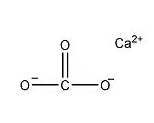
Precipitated Calcium Carbonate, characterized by the molecular formula CaCO₃, presents as a fine white, odorless powder. It is manufactured by a chemical precipitation process and is practically insoluble in water, with a typical water solubility of approximately 0.0166 g/L at 20°C. It has a molecular weight of 100.09 g/mol and a density of approximately 2.7 g/cm³. Its aqueous suspension generally exhibits a pH of 8.0–10.0. PCC is widely employed as a filler, coating pigment, and functional additive in the plastics, rubber, paper, paint, coatings, adhesives, sealants, and construction industries. It also finds applications in cosmetics, toothpaste, printing inks, and specialized industrial products, depending on the applicable product grade.
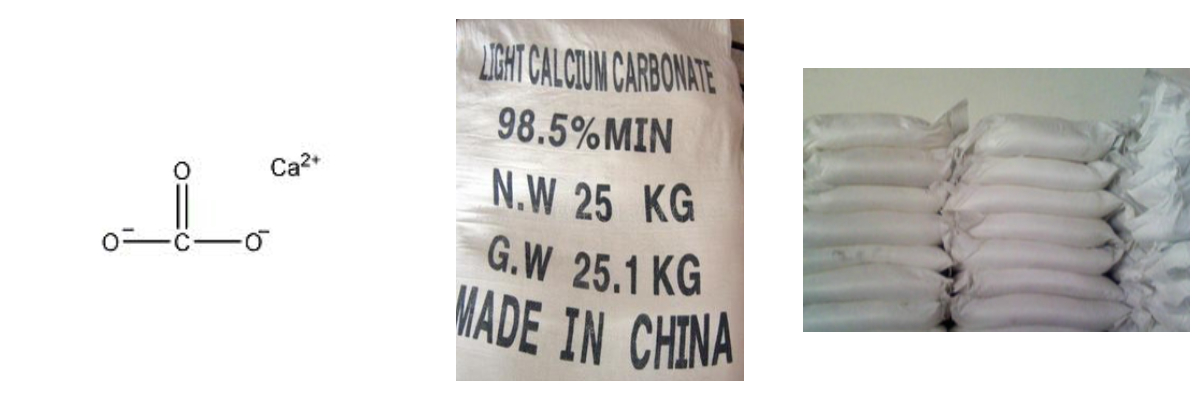
Precipitated Calcium Carbonate Chemical Properties
Property | Value |
|---|---|
Chemical Name | Calcium Carbonate |
Molecular Formula | CaCO₃ |
CAS Number | 471-34-1 |
Molecular Weight | 100.09 g/mol |
Melting Point | Approximately 825°C (decomposes) |
Density | Approximately 2.7 g/cm³ |
Appearance | Fine Powder |
Color | White |
Odor | Odorless |
Physical State | Solid |
pH Range | 8.0–10.0 (typical aqueous suspension) |
Water Solubility | Approximately 0.0166 g/L (20°C) |
Organic Solvent Solubility | Practically Insoluble |
Crystal Structure | Calcite, Aragonite or Other Forms Depending on Grade |
Thermal Stability | Stable Under Normal Conditions |
Decomposition Temperature | Approximately 825°C |
Specific Surface Area | Grade Dependent |
Particle Size | Grade Dependent |
Whiteness | Grade Dependent |
Moisture Content | Grade Dependent |
Sensitivity | Reacts with Acids |
Stability | Stable Under Recommended Storage Conditions |
InChIKey | VTYYLEPIZMXCLO-UHFFFAOYSA-L |
HS Code | 2836.50 |
Safety Information
Property | Information |
|---|---|
Hazard Codes | Generally Not Classified as Hazardous |
Risk Statements | Dust May Cause Mechanical Irritation |
Safety Statements | Avoid Inhalation of Dust; Wear Suitable Protective Equipment |
Eye Contact | May Cause Mechanical Eye Irritation |
Skin Contact | Generally Non-Irritating; Prolonged Contact May Cause Mild Irritation |
Inhalation | Avoid Breathing Dust |
Ingestion | Avoid Ingestion |
Protective Equipment | Safety Goggles, Protective Gloves, and Dust Mask |
First Aid – Inhalation | Move to Fresh Air |
First Aid – Eye Contact | Rinse Thoroughly with Plenty of Water |
First Aid – Skin Contact | Wash with Soap and Water |
Fire Hazard | Non-Flammable |
Storage | Store in a Cool, Dry, and Well-Ventilated Place |
Incompatible Materials | Strong Acids |
Environmental Precautions | Avoid Uncontrolled Release into Waterways |
Transport Information | Generally Not Regulated as Dangerous Goods |
Disposal | Dispose of in Accordance with Local Regulations |
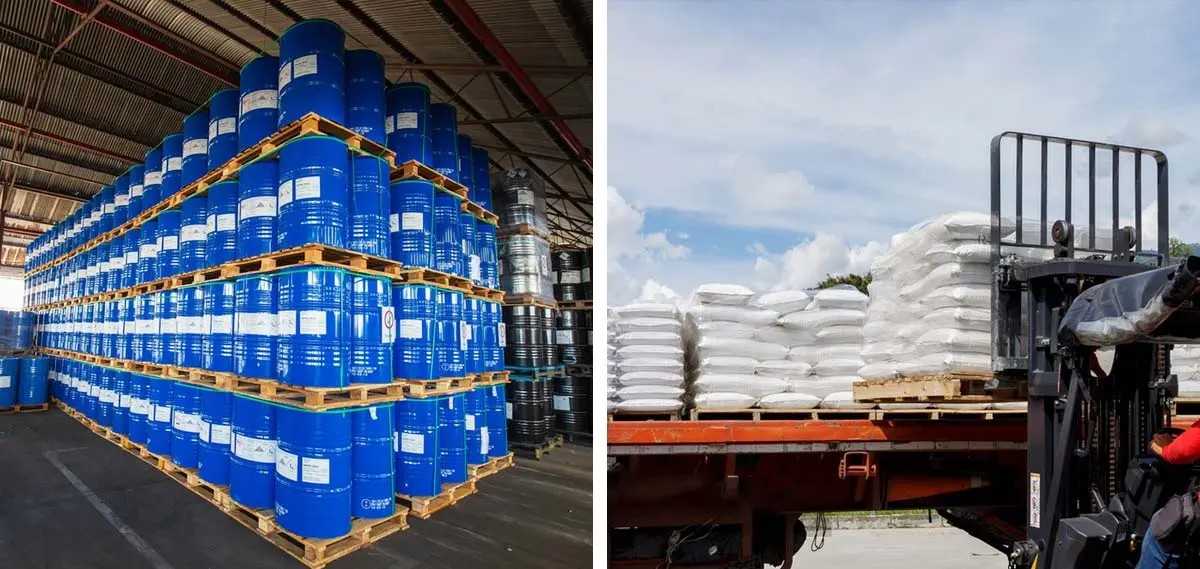
This compound is extensively employed as a functional filler in polymer processing, a reinforcing agent in rubber manufacturing, and a coating pigment in paper production. In the plastics industry, it improves stiffness, dimensional stability, surface finish, and processing efficiency. In rubber applications, it helps optimize mechanical properties and formulation costs. In the paper industry, it enhances brightness, opacity, printability, and surface smoothness. Additionally, PCC is utilized in architectural coatings, automotive paints, printing inks, construction materials, adhesives, sealants, cosmetics, and personal care products. Specialized grades with controlled particle morphology and surface treatments are also used in high-performance polymer composites and advanced industrial formulations.