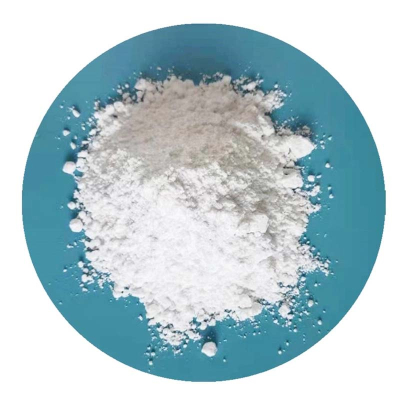


Phosphoric Acid: A Versatile Chemical Compound
Phosphoric acid, the inorganic compound with the chemical formula H₃PO₄, is penetrating every corner of the modern economy with unprecedented breadth. From the carbonated beverages we consume daily, to the batteries powering new energy vehicles, and on to critical materials in the defense industry, phosphoric acid demonstrates remarkable versatility as a true "all-rounder."
The Ubiquitous "Acid"
In the food sector, phosphoric acid serves as an acidity regulator (E338), providing the signature tangy taste in colas and inhibiting bacterial growth in numerous processed foods. In agriculture, as the core raw material for phosphate fertilizers, it forms the foundation of global food security. And in the rapidly developing new energy industry, phosphoric acid is indispensable—it is a key precursor for cathode materials in lithium iron phosphate batteries, directly impacting the supply chain security of electric vehicles and energy storage systems.
Profound Value from Laboratory to Industrial Chain
The value of phosphoric acid extends beyond macro-industries; its microscopic mechanisms have consistently been a focal point at the scientific frontier. Recent research from the Fritz Haber Institute in Germany has revealed that phosphoric acid's efficiency in conducting protons in fuel cells stems from its unique molecular structure. This mechanism, described as "nature's proton highway," opens new pathways for designing novel proton-conducting materials and understanding charge transfer processes within living systems.
At the other end of industrial applications, the "high-purity" form of phosphoric acid is becoming the cornerstone of cutting-edge technology. As electronic-grade phosphoric acid, it is used in etching and cleaning steps during semiconductor manufacturing, and is a crucial component of indium phosphide substrate materials—essential for high-speed chips in 5G communications, artificial intelligence computing power, and even defense electronics systems.
Strategic Status Elevated, Global Competition Intensifies
The strategic value of phosphoric acid has garnered significant attention from major global economies. In November 2025, the U.S. Geological Survey added phosphate to its critical minerals list for the first time. In February 2026, the U.S. government further invoked the Defense Production Act, designating elemental phosphorus as a national security priority, deeming its shortage a direct threat to national defense security.
This move marks the formal upgrade of phosphorus resources from conventional chemicals to global strategic assets. As a vital link in the global phosphorus chemical industry chain, China controls over 80% of the world's yellow phosphorus and glyphosate production capacity. Leveraging an integrated closed-loop system of "phosphate ore—electricity—chemical processing," it has built significant supply chain resilience.
Challenges and Opportunities in a New Market Cycle
Driven by strong demand from the new energy sector, "phosphorus-based" materials are entering a powerful new cycle. Data shows that as of February 2026, prices for power-type lithium iron phosphate had risen over 90% from their mid-2025 lows, while lithium hexafluorophosphate prices once surged nearly 300%. This robust demand has transmitted upstream, keeping the average price of domestic 30% grade phosphate rock hovering at a high of 1,000 RMB per ton for nearly three years.
However, the market faces new challenges. Recently, due to tight global sulfur supply and geopolitical conflicts, upstream phosphoric acid prices have jumped by 500-700 RMB per ton, directly squeezing the profit margins of midstream iron phosphate companies and revealing the complexity of cost transmission along the industrial chain.
Simultaneously, to ensure supply chain stability, international investments and collaborations are advancing. A subsidiary of Jordan Phosphate Mines Company has signed agreements with Chinese enterprises to build a new sulfuric acid plant to support its phosphoric acid expansion projects. India's Rashtriya Chemicals and Fertilizers Limited has also given in-principle approval for a new 300-ton-per-day phosphoric acid plant to strengthen backward integration.
In summary, phosphoric acid has transcended its traditional role to become a foundational material connecting modern agriculture, the new energy revolution, and high-end manufacturing. Against the backdrop of global resource competition and industrial upgrading, the future development of phosphoric acid and its industrial chain will continue to profoundly impact the global economic landscape and technological trajectory.