

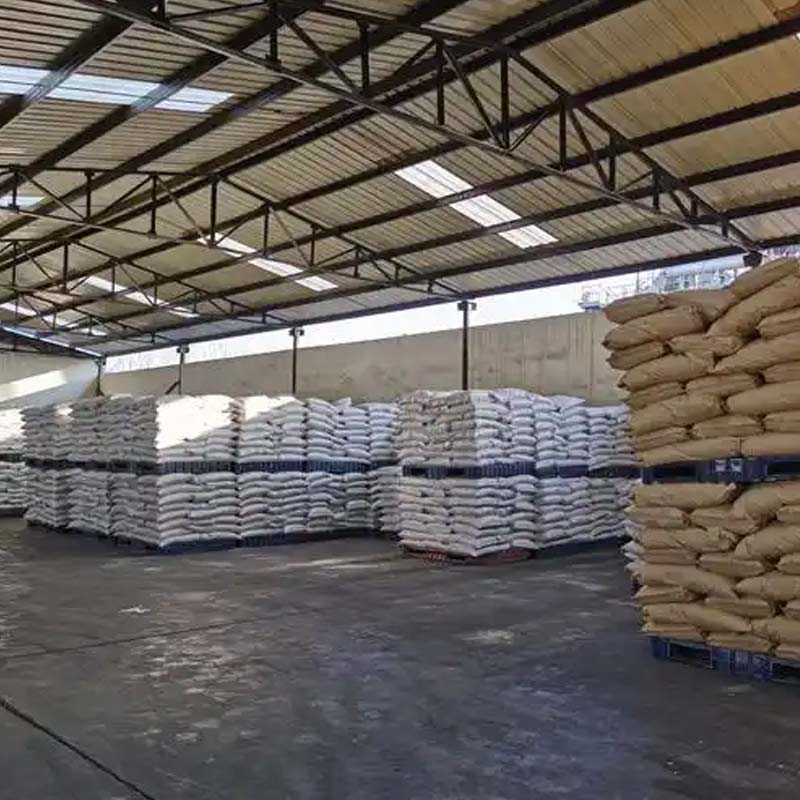
Petroleum resins CAS:64742-16-1
Compatibility and Solubility: Exhibits good miscibility and is compatible with a variety of organic polymers and other resins.
Chemical Stability: Resistant to water, ethanol, acids, and alkalis; chemically stable.
Thermal Stability: Exhibits good thermal stability.
Tackifying Properties: Significantly improves the initial tack and holding power of adhesives.
Low Acid Value: Low acid value, resulting in minimal corrosiveness to equipment.
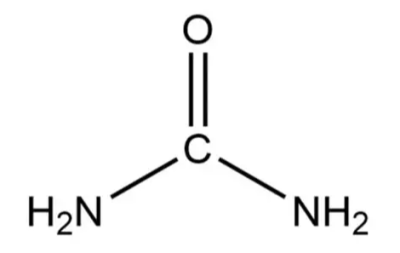
Petroleum resin C9 (CAS: 64742-16-1) is a thermoplastic resin produced from the C9 fraction, a byproduct of petroleum cracking. It is commonly used as a tackifier, regulator, and modifier in industries such as paints, rubber, inks, and adhesives.
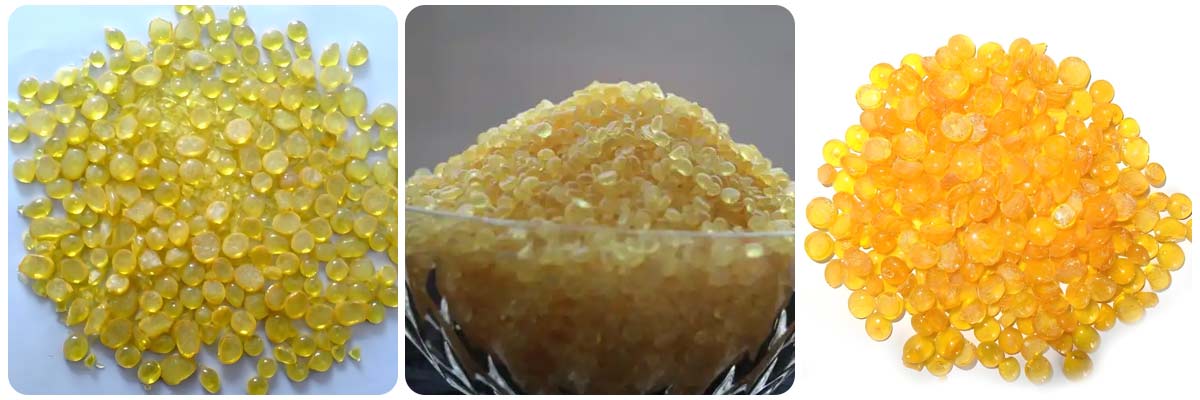
| Project | Information |
| Product Name | Petroleum resin C9 / Carbon 9 petroleum resin |
| CAS Number | 64742-16-1 |
| EINECS Number | 265-116-8 |
| Chemical type | Aromatic hydrocarbon resin |
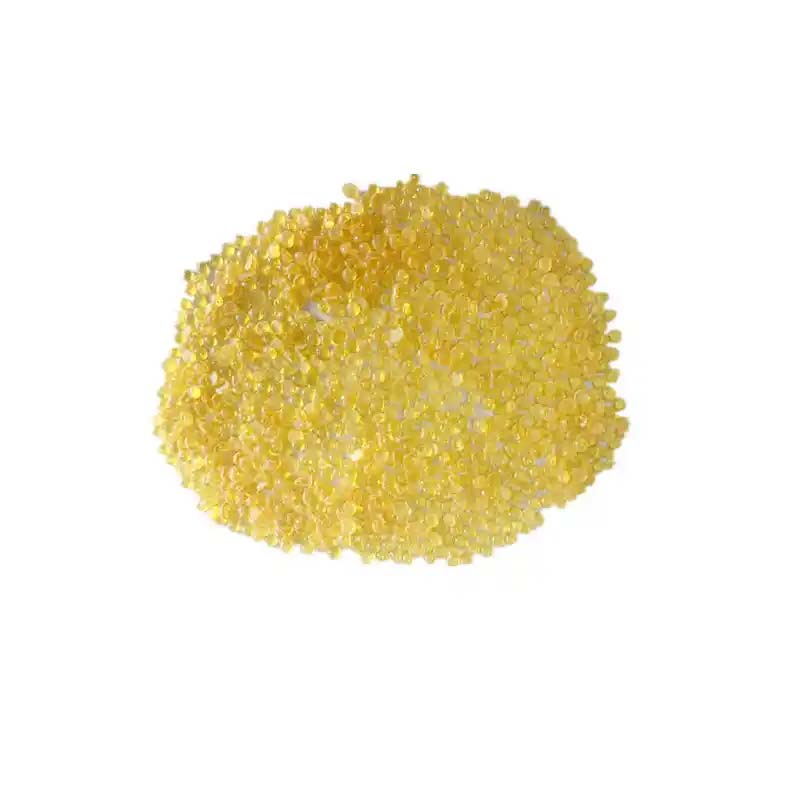
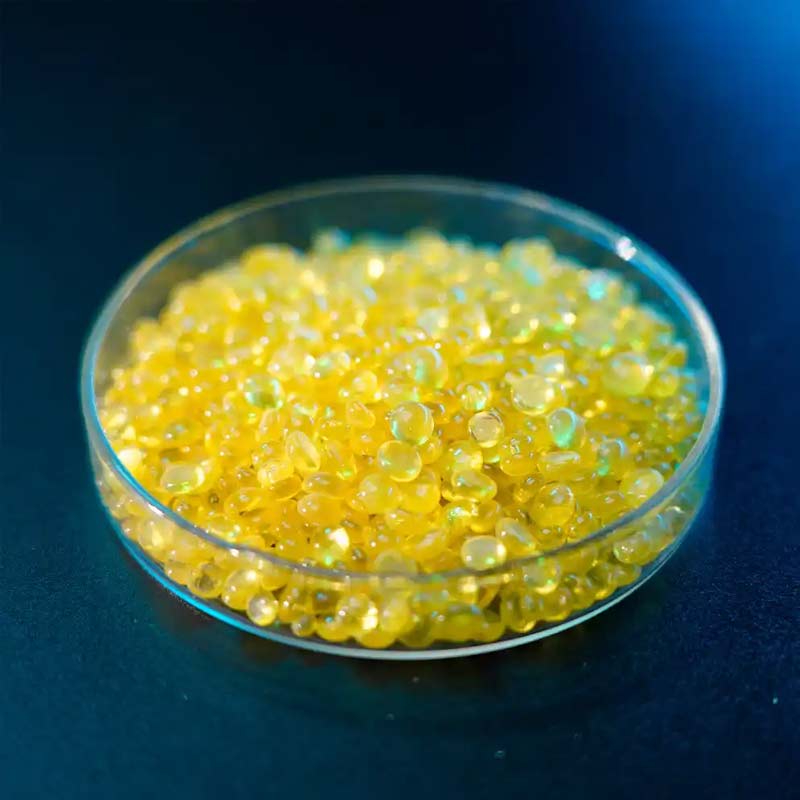
| Physical form | Light yellow to brown granular or flake-like solids |
| Molecular weight | Low polymers, with molecular weight typically ranging from 300 to 300 |
Materialized attributes
Density:
0.908 [at 20℃]
Boiling point:
400℃[at 101 325 Pa]
Performance Characteristics
Compatibility and Solubility: Exhibits excellent miscibility and can be well compatible with various organic polymers and other resins.
Chemical stability: Resistant to water, ethanol, acids and alkalis, with stable chemical properties.
Thermal stability: Exhibits good thermal stability.
Adhesive property enhancement: It can significantly increase the initial adhesion and holding power of the adhesive.
Low acid value: The acid value is low, which means it has less corrosive effect on equipment.

Main application fields
Paints and coatings: As brightening agents and adhesion enhancers, when added, they can increase the glossiness of the paint, enhance the adhesion, hardness, acid resistance and alkali resistance of the paint film. They are particularly suitable for road marking paints, with good adhesion to the road surface, fast drying, and excellent wear resistance.
Rubber industry: As a tackifier and softener, it has good compatibility with natural rubber. It can enhance the adhesion between rubber particles, playing a role in reinforcing and softening, and is commonly used in tire manufacturing.
Adhesive: As the main tackifying resin, it is used in the production of hot melt adhesives, pressure-sensitive adhesives and solvent-based adhesives. It can effectively enhance adhesion and water resistance, while reducing production costs.
Ink: Printing ink used, which can achieve the effects of color dispersion, quick drying and brightness enhancement, thereby improving printing performance.
Others: It can also be used as a glue agent for paper, a plastic modifier, an oilfield water treatment agent, and an asphalt modifier, etc.
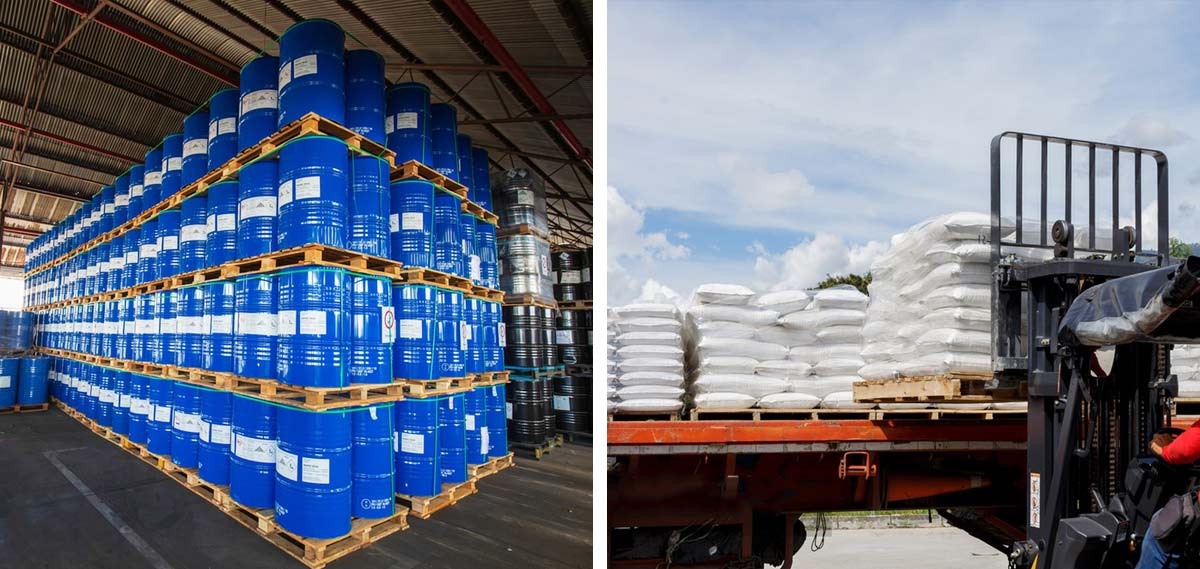
Packaging and Storage
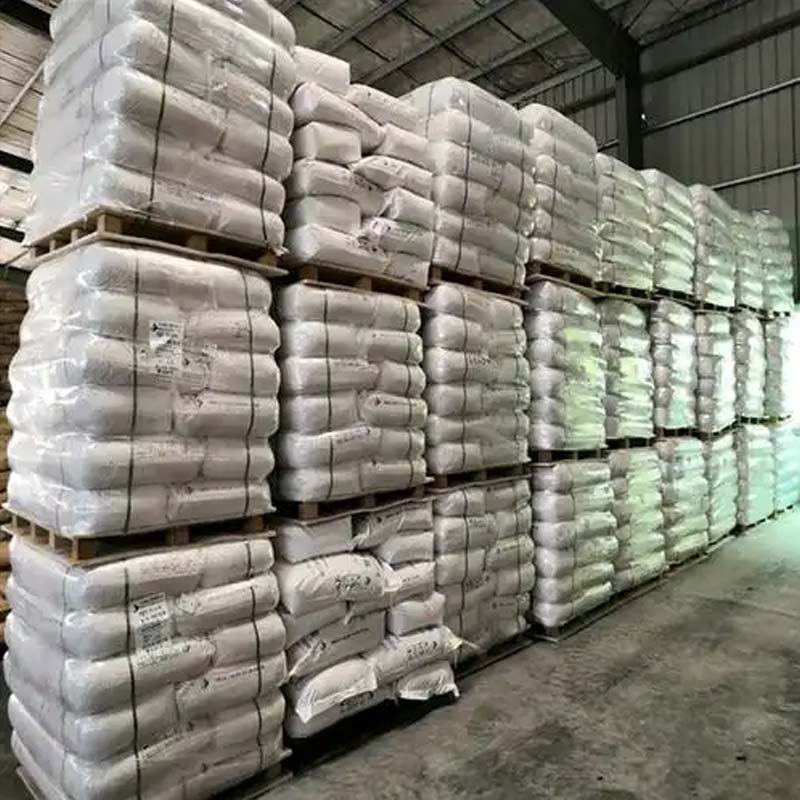
Packaging specification: Usually, it is packed in 25-kilogram woven bags or kraft paper bags, with an inner layer of PE bags.
Storage conditions: It should be stored in a well-ventilated, cool and dry place, avoiding direct sunlight and rain, and keeping away from fire sources and strong oxidants.
Shelf life: Under the conditions of proper storage, the shelf life is generally 1 year. After the expiration date, it can still be used if it passes the inspection and is found to be合格 (qualified).
Safety and Transportation
Hazardousness: Not classified as hazardous chemicals. Can be transported as ordinary chemical products. However, it should be noted that the dust may form an explosive mixture with air.
Toxicity: The oral median lethal dose (LD50) is 7 g/kg (for experimental animals), which indicates it is a low-toxic substance. However, inhalation of dust or skin contact should still be avoided.