

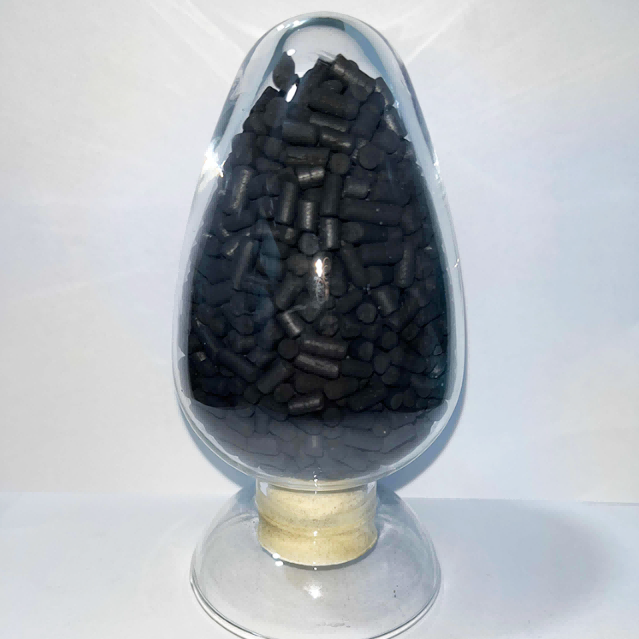
Mercury Removal Agent
General Product Category: Auxiliaries / Industrial Water Treatment Chemicals
High Affinity for Mercury: Mercury removal agents feature extremely high affinity for mercury ions (Hg²⁺) and elemental mercury (Hg⁰), forming stable, insoluble mercury complexes or precipitates rapidly, achieving efficient mercury removal in both aqueous and gaseous media.
Stable & Wide Applicability: Most formulations remain stable across a broad pH range (typically 2–12) and maintain performance even in complex industrial environments with high salinity, heavy metals, and organic contaminants.
Versatile Industrial Uses: Widely applied in wastewater treatment, flue gas purification, natural gas processing, petrochemical refining, and mining industries to meet regulatory mercury discharge standards.
Form & Handling Convenience: Available in liquid, powder, or granular forms, with options for easy dosing and integration into existing industrial processes, suitable for continuous and batch treatment systems.
Mercury removal agents are specialized functional chemicals designed to capture and remove mercury from various industrial streams. Based on chemical composition, common types include sulfur-based precipitants, thiol-functional chelating resins, modified activated carbon adsorbents, and halogenated oxidizing agents. These products exhibit high selectivity for mercury, minimal interference from other pollutants, and low residual toxicity, making them essential for environmental compliance and industrial safety.
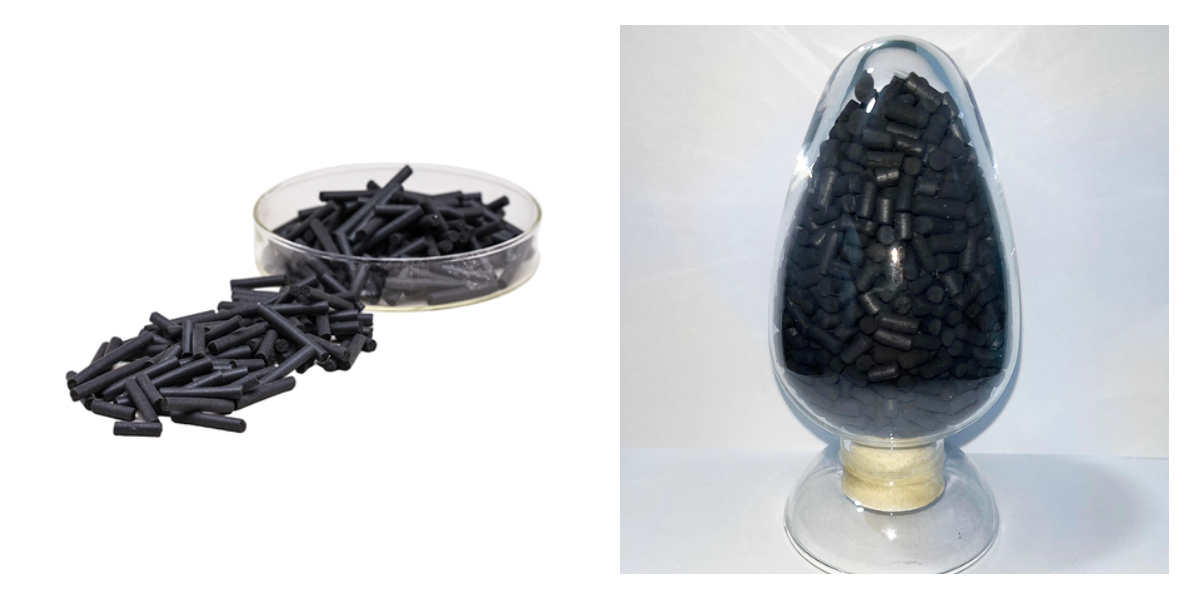
Mercury Removal Agent Key Properties
| Property | Details |
|---|---|
| Active Ingredients | Thiol-based compounds, sulfur-loaded carbon, chelating polymers, halogenated salts |
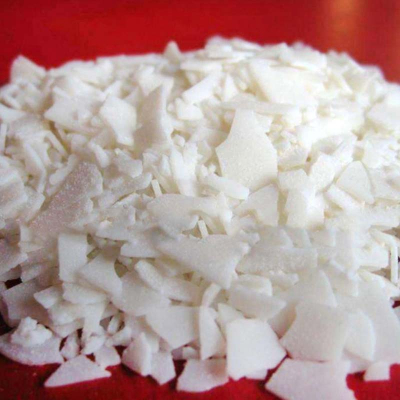
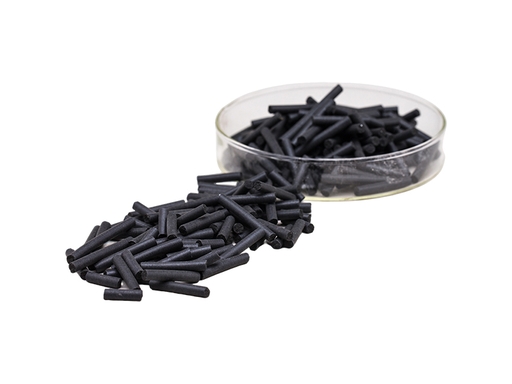
| Appearance | Liquid, powder, or granular (depending on formulation) |
| Odor | Odorless or mild characteristic odor |
| pH Range (Application) | 2–12 (varies by product type) |
| Solubility | Liquid types miscible with water; solid types insoluble in water (adsorbents) |
| Density | 1.0–1.5 g/cm³ (liquid formulations) |
| Storage Temp | Store below +30°C, sealed, cool, dry place, away from strong oxidants |
| Stability | Stable under normal conditions; avoid contact with strong acids/oxidizers |
| Sensitive | Sensitive to high temperatures and strong oxidizing agents |
| Handling | Avoid direct contact with skin/eyes; use PPE during use |
Safety Information
| Item | Details |
|---|---|
| Hazard Codes | Xi (Irritant) / N (Environmental Hazard) (formulation-dependent) |
| Risk Statements | R36/37/38 (Irritating to eyes, respiratory system and skin); R50/53 (Very toxic to aquatic life with long lasting effects) |
| Safety Statements | S26 (In case of contact with eyes, rinse immediately with plenty of water); S36/37/39 (Wear suitable protective clothing, gloves and eye/face protection); S60 (This material and its container must be disposed of as hazardous waste); S61 (Avoid release to the environment) |
| WGK Germany | 3 (Highly hazardous to water) |
| TSCA | Yes (for compliant formulations) |
| HS Code | 3808940000 / 38249099 (depending on product type) |
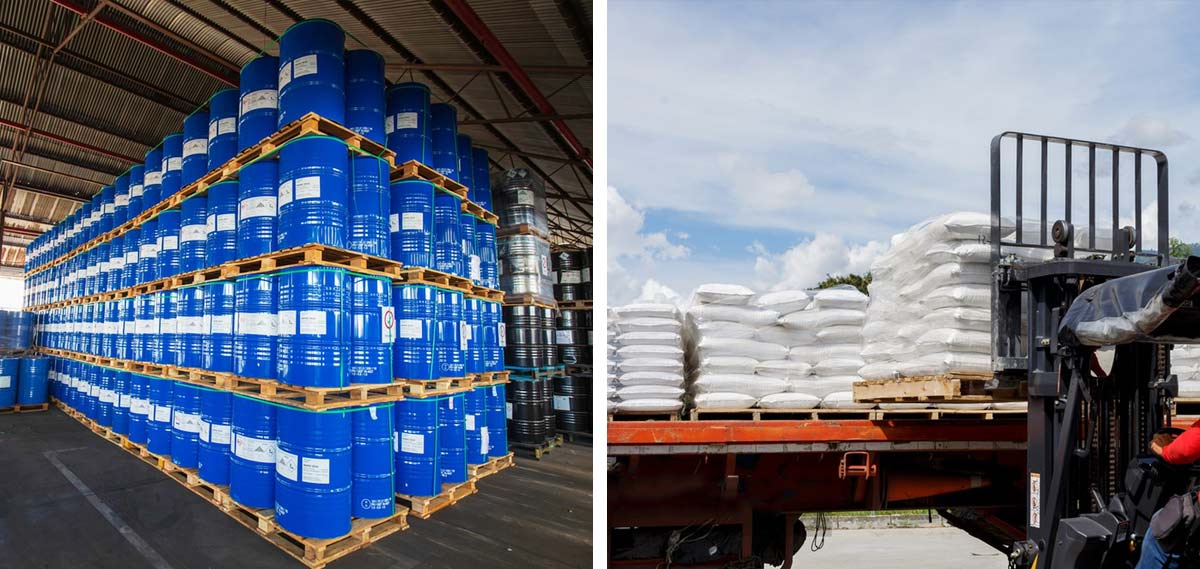
This compound is primarily used as an industrial auxiliary chemical in wastewater treatment plants, power plant flue gas desulfurization systems, natural gas purification units, and petrochemical refining processes. It effectively removes mercury to meet environmental regulations, preventing mercury pollution in water bodies and the atmosphere. Additionally, it finds application in mining, metal smelting, and electronic waste recycling industries to control mercury emissions and ensure process safety.