


Calcium Carbonate CAS#471-34-1
High Solubility:Calcium carbonate dissolves only slightly in water (0.013 g/L at 25°C). It dissolves in dilute acids while releasing carbon dioxide, and is nearly insoluble in ethanol and other organic solvents. This solubility characteristic defines its typical application scope.
Stable pH:Water suspension of calcium carbonate presents weak alkalinity, with pH value ranging from 8.0 to 8.5. It keeps stable under ambient temperature. When contacting strong acids, it undergoes chemical reaction to produce calcium salts, water and carbon dioxide.
Versatile Uses:It serves broadly as filling agent and pigment in paper, plastic, coating and rubber industries. It also acts as feedstock for cement and quicklime manufacturing. In food sector, it works as food additive for anti-caking and calcium fortification. Besides, it can be applied as chemical reagent for sewage treatment and flue gas desulfurization.
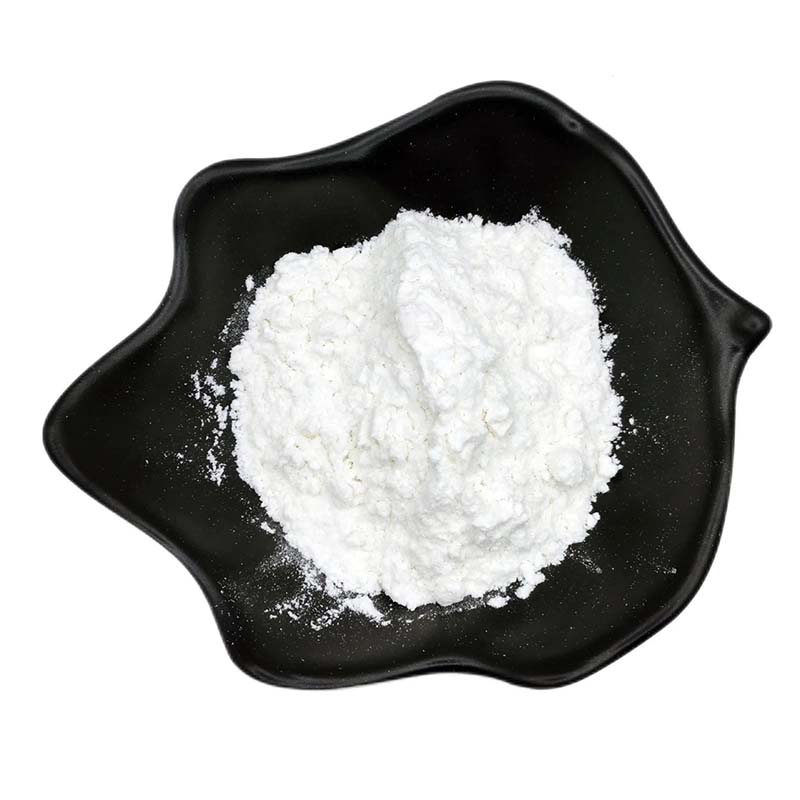
Crystalline Form & Hygroscopic Nature:This product appears as white powder or crystalline solid and features low moisture absorption. Two main grades are available: ground heavy calcium carbonate and precipitated light calcium carbonate, to satisfy diversified formula design and industrial production demands.
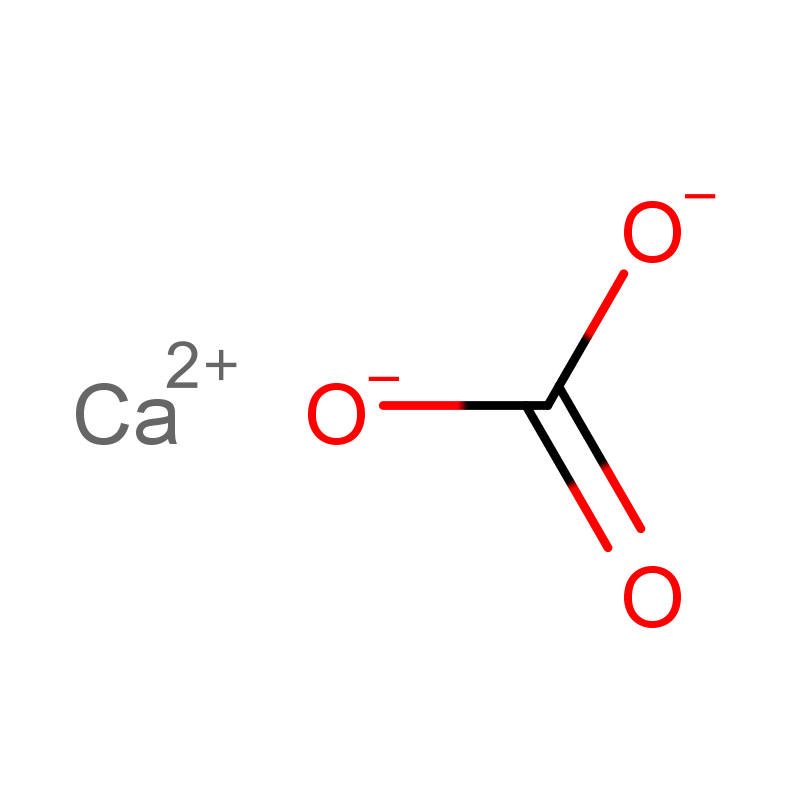
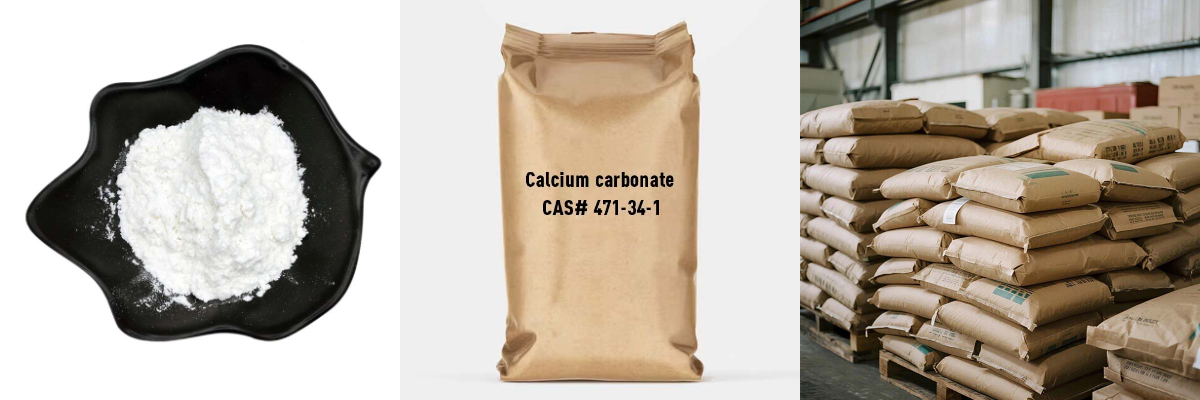
Calcium carbonate (molecular formula: CaCO₃) is an odorless white crystalline or powdery solid. It has limited solubility in water; it dissolves in dilute hydrochloric acid, nitric acid and acetic acid with carbon dioxide released, yet cannot dissolve in ethanol. Its aqueous suspension stays weakly alkaline at pH 8.0–8.5. Dust particles of this substance may irritate the eyes and respiratory tract upon inhalation. It is widely adopted as a functional filler for polymers, a calcium supplement for food, feedstock for building materials, and a neutralizing agent for environmental treatment.
This product also functions as starting material for manufacturing calcium chemical derivatives, polishing medium, catalyst support and filtration aid. It is frequently incorporated into toothpaste, cosmetic formulations and pharmaceutical excipients. In agriculture, it works as a soil amendment to mitigate soil acidification.
Calcium Carbonate Chemical Characteristics
| Item | Specification |
| Melting Point | Decomposes at 825 °C (literature value) |
| Density | 2.93 g/cm³ |
| Refractive Index | 1.48–1.66 |
| Storage Condition | Keep under ambient temperature |
| Dissolution Behavior | Slight solubility in water; dissolves upon contact with dilute acids; no dissolution in ethanol |
| Physical Shape | Fine powder or crystalline solid |
| Color | Pure white |
| Smell | Free of any odor |
| pH Value | 8.0–8.5 (water suspension) |
| Aqueous Solubility | 0.013 g/L at 25 °C |
| Hygroscopic Property | Does not absorb moisture |
| Stability | Maintains good stability in regular environments; cannot be stored together with strong acids |
| InChIKey | VTYYLEPIZMXCLO-UHFFFAOYSA-N |
| CAS Registry Number | 471-34-1 |
| NIST Chemical Entry | Calcium carbonate (471-34-1) |
| EPA Registered Identity | Carbonic acid, calcium salt (471-34-1) |
Safety Profile
| Item | Specification |
| Hazard Classification Code | Xi (Irritant) |
| Risk Phrases | R36/37/38 |
| Safety Advice Codes | S26‑36 |
| German Water Hazard Class (WGK) | WGK 1 |
| RTECS Number | FF9335000 |
| TSCA Inventory Status | Listed |
| HS Tariff Code | 28365000 |
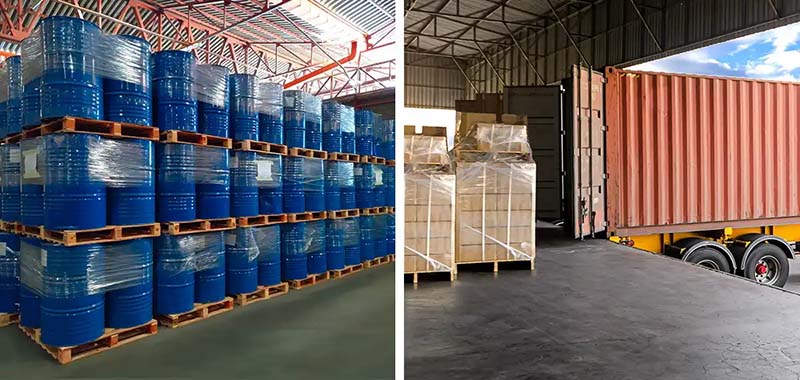
This inorganic substance serves as a filling medium for plastics, rubber, coatings and papermaking. It helps cut production expenses while boosting the material’s stiffness and whiteness. Within the food sector, it can be applied as a calcium fortifier and anti‑caking additive. It also works as a tableting auxiliary material in pharmaceuticals and soil amendment for farmland. Additional application areas include flue gas desulfurization, water softening, ceramic production and abrasive compound preparation.