

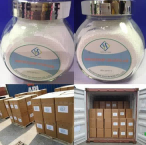
Aspartame CAS#22839-47-0
High Sweetness Performance: Aspartame is a low-calorie high-intensity sweetener with sweetness approximately 200 times that of sucrose. It delivers a clean sugar-like taste with minimal aftertaste, and exhibits excellent synergistic sweetening effect when blended with other sweeteners such as acesulfame potassium, saccharin and sucralose. pH-Dependent
Stability: It achieves optimal stability at pH 4.3, which is highly suitable for acidic beverages. Its stability declines sharply under high temperature and neutral/alkaline conditions, and it is prone to decomposition during long-time high-temperature baking.
Limited Solubility: It is sparingly soluble in water, slightly soluble in ethanol, and practically insoluble in non-polar solvents including hexane and dichloromethane.
Special Reminder: This product contains phenylalanine, so warning labels are required for products intended for phenylketonuria patients.
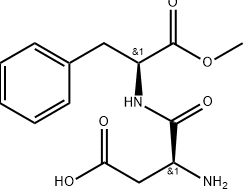
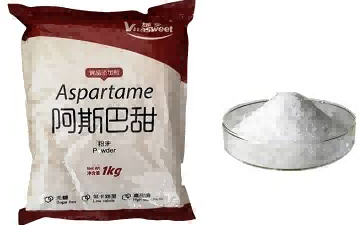
Aspartame, chemically named N-L-α-aspartyl-L-phenylalanine 1-methyl ester, appears as white crystalline powder, odorless. Its aqueous solubility varies with pH value; higher solubility is observed under acidic conditions. It will decompose when heated persistently, generating diketopiperazine and losing sweetness. It is composed of two natural amino acids, aspartic acid and phenylalanine, and can be metabolized in human body. The ADI value set by JECFA is 0–40 mg/kg body weight. It is widely accepted for food use in most countries under specified dosage limits.
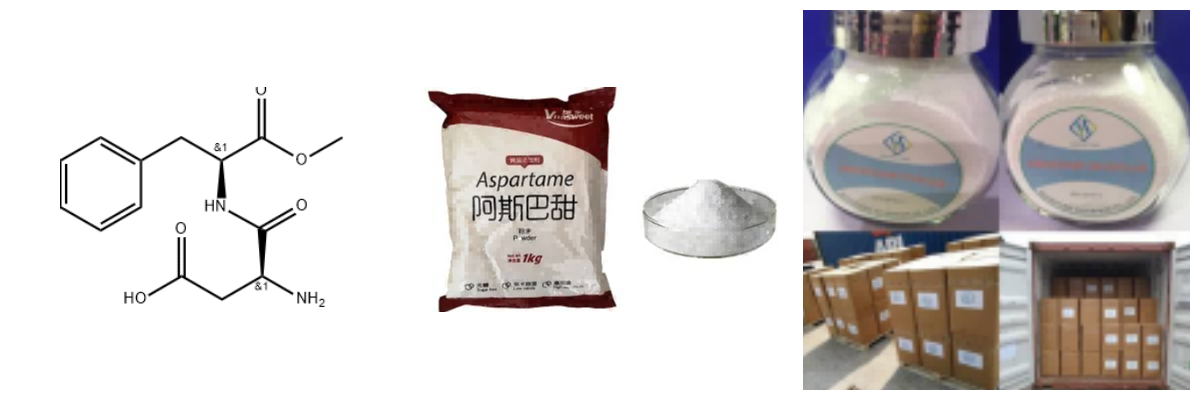
| Aspartame Chemical Properties | Parameters |
|---|---|
| Melting point | 242–248 °C |
| Density | 1.2051 g/cm³ (rough estimate) |
| Refractive index | 14.5 ° (C=4, 15mol/L Formic Acid) |
| Storage temp | 2–8°C, sealed and dry |
| Solubility | Sparingly soluble in water, slightly soluble in ethanol, practically insoluble in hexane and dichloromethane |
| Form | Crystalline powder |
| Color | White to off-white |
| Odor | Odorless |
| pH (0.8% aqueous) | 5.3 |
| Water Solubility | 10 g/L (pH 7, 25°C) |
| Stability | Stable under dry condition; easily degraded at high temperature and alkaline environment |
| EINECS | 245-261-3 |
| MDL Number | MFCD00002724 |
| InChIKey | IAOZJIPTCAWIRG-QWRGUYRKSA-N |
| CAS DataBase Reference | 22839-47-0 |
| NIST Chemistry Reference | Aspartame (22839-47-0) |
| EPA Substance Registry System | L-Phenylalanine, L-aspartyl-, 1-methyl ester |
| Safety Information | Content |
|---|---|
| Hazard Codes | Not classified as hazardous substance |
| Safety Statements | 22-24/25 |
| WGK Germany | 2 |
| RTECS | WM3407000 |
| TSCA | Listed |
| HS Code | 29242990 |
| Approved Standard | FCC, JECFA, EP, GB2760 |
| ADI Value | 0–40 mg/kg body weight (JECFA) |
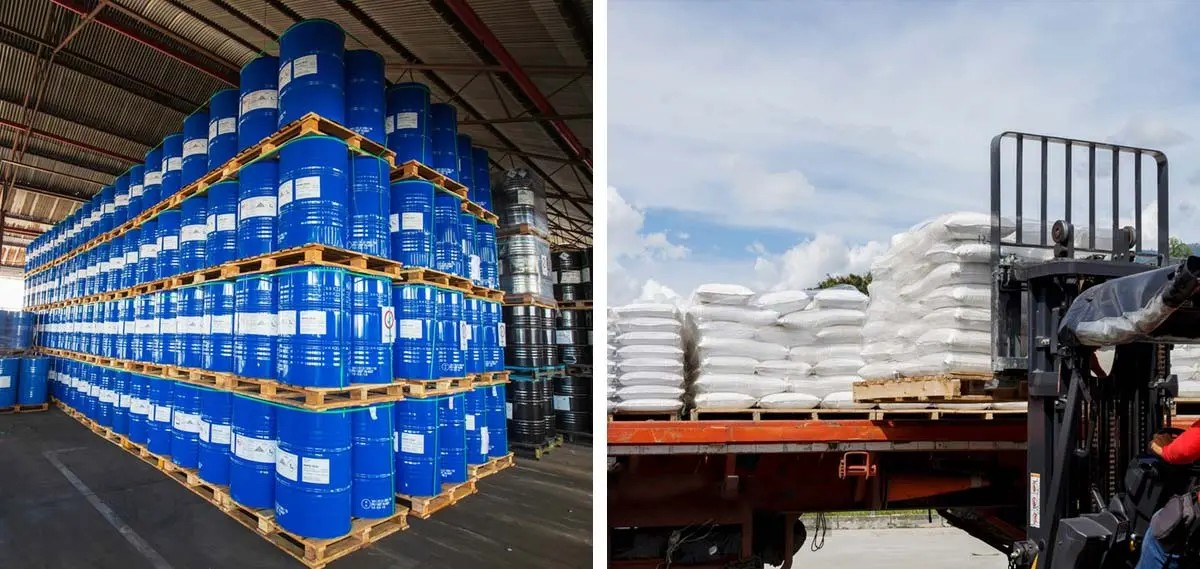
This compound is widely used as a sweetener in carbonated drinks, still beverages, yogurt, confectionery, chewing gum, frozen desserts, tabletop sweeteners and low-sugar baked goods. It is also applied in pharmaceutical syrups, tablets and dietary supplements to mask unpleasant bitter taste. It cannot be used for high-temperature sterilization and baking processes due to its poor thermal stability. Special labeling is mandatory for foods containing aspartame to remind phenylketonuria sufferers.