

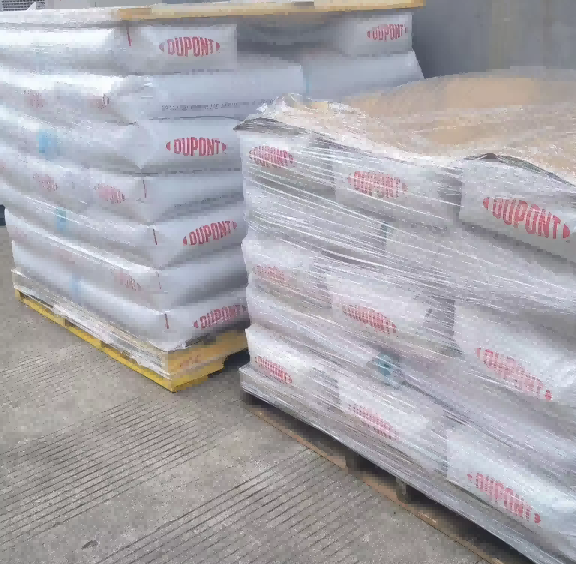
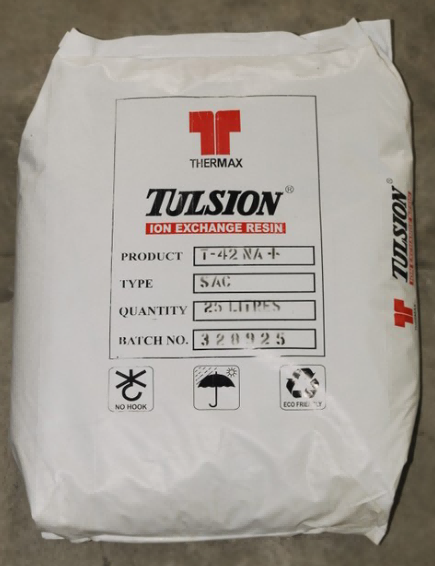
Ion Exchange Resin CAS#:12627-85-9
High Ion Exchange Capacity: Ion exchange resin is a cross-linked polymer with functional active groups, featuring stable ion exchange capacity, capable of selectively adsorbing and exchanging cations or anions in aqueous solution, and can be regenerated repeatedly by acid, alkali or salt solution for cyclic use.
Wide pH Adaptability: Different grades of resin can work stably within corresponding pH ranges; gel-type and macroporous structures are available, with good mechanical strength and anti-osmotic shock performance, not easy to break under frequent regeneration.
Versatile Uses: It is widely used in water softening, desalination, ultrapure water preparation, food sugar decolorization, amino acid purification, pharmaceutical separation and extraction, heavy metal and precious metal recovery in chemical industry.
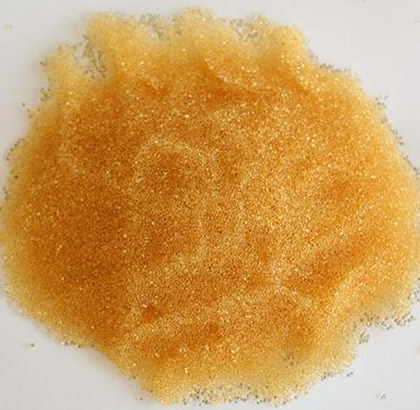
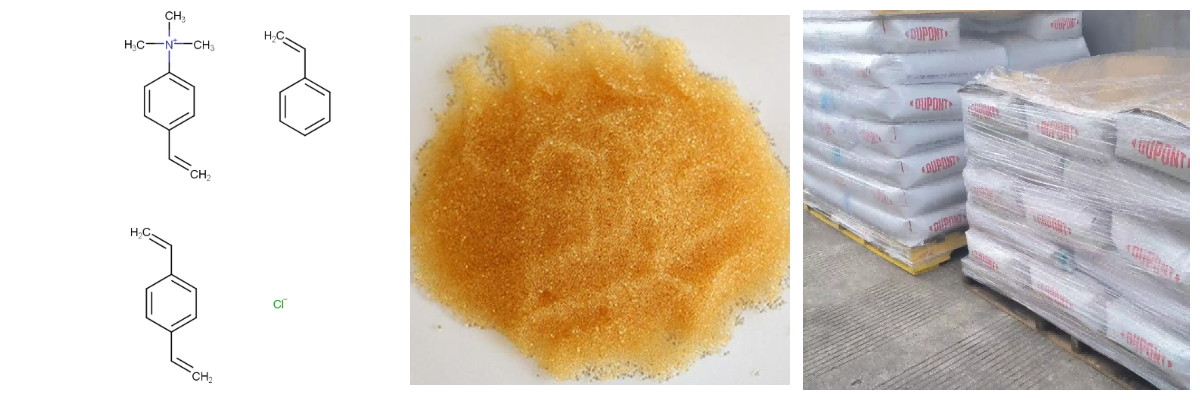
Spherical Bead Form & Insoluble Property: Normally supplied as off-white, yellowish or brown spherical beads, insoluble in water and common organic solvents, odorless, low volatility, suitable for continuous industrial fixed-bed operation.
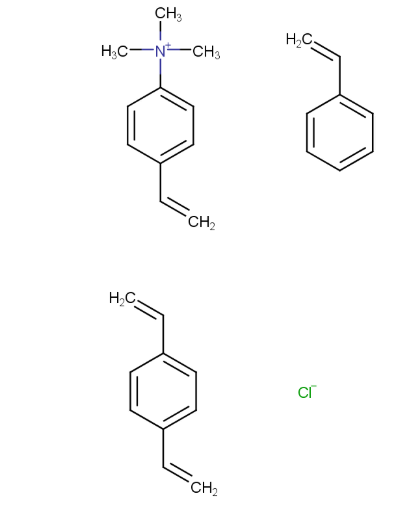
Ion exchange resin, most commonly with styrene-divinylbenzene skeleton grafted with ionizable functional groups, presents as uniform spherical beads. It is classified into four core categories: strongly acidic cation resin, weakly acidic cation resin, strongly basic anion resin, weakly basic anion resin, plus special chelating resin, macroporous adsorbent resin and nuclear-grade resin. It works based on reversible stoichiometric ion exchange reaction. Different functional groups deliver selective affinity for calcium, magnesium, sodium, sulfate, nitrate, heavy metal ions and organic impurities.
| Chemical Properties | Parameter |
|---|---|
| Common Matrix | Styrene crosslinked with divinylbenzene; acrylic type for special grades |
| Appearance | Uniform spherical beads, off-white / light yellow / amber |
| Solubility | Insoluble in water, alcohols, ketones and general organic solvents |
| Bulk Density | 0.65–0.85 g/mL |
| True Density | 1.10–1.30 g/mL |
| Moisture Content | 45%–65% (hydrated commercial form) |
| Operating Temperature | ≤120℃ (strong acid cation); ≤80℃ (strong base anion) |
| Particle Size | 0.315–1.25 mm (standard industrial grade) |
| Total Exchange Capacity | ≥4.5 mmol/g (strong acid cation, dry basis) |
| Storage temp | Store below +35℃ |
| Stability | Stable under normal conditions. Incompatible with strong oxidizing agents |
| Sensitive | Not light-sensitive; avoid repeated freeze-thaw cycles |
| Safety Information | Content |
|---|---|
| Hazard Statement | Dust may irritate eyes, respiratory tract and mucous membrane; long-time wet contact may block skin pores |
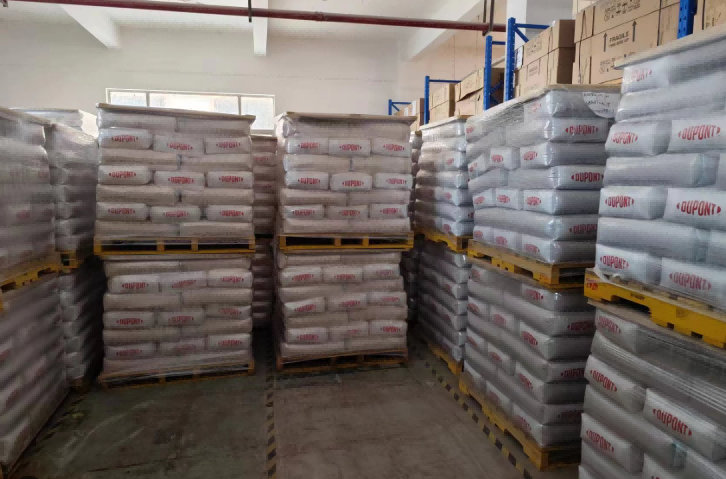
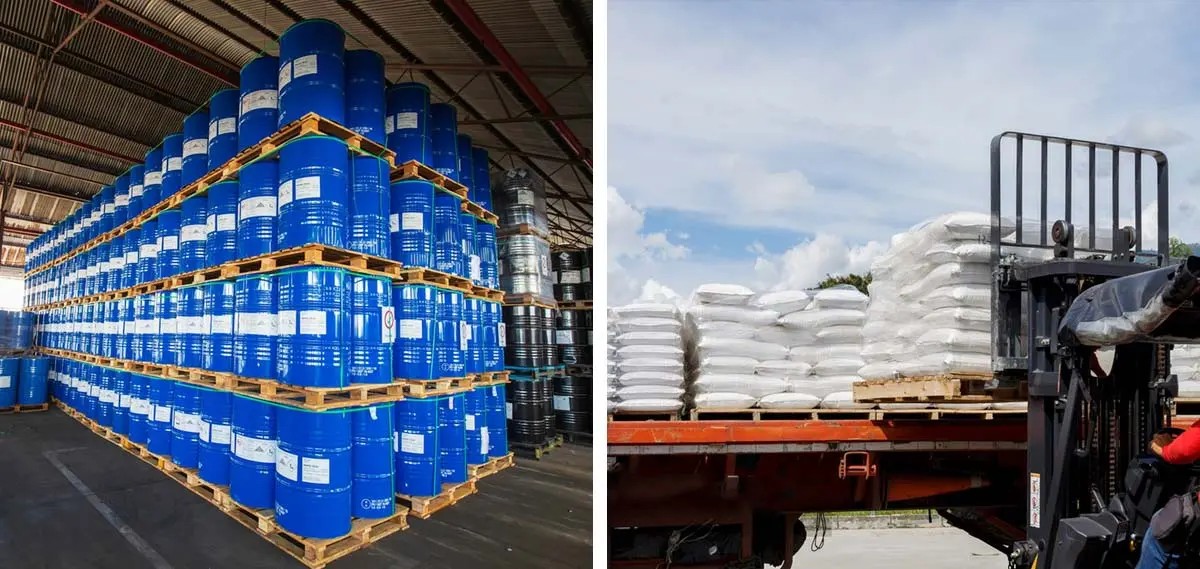
| Storage | Sealed, cool and dry warehouse at room temperature; keep away from strong oxidants, direct sunlight and freezing |
| Handling | Wear safety goggles, dust mask and protective gloves; avoid dust inhalation. In case of eye contact, rinse with plenty of clean water for 15 minutes and seek medical help |
| Regeneration Reminder | Regenerants (acid / alkali) are corrosive, separate storage and pipeline protection are required |
| Waste Treatment | Spent resin handled as industrial solid waste, comply with local environmental regulations; food/pharma grade waste follows extra industry rules |
| HS Code | 39140000 |
This compound is employed as a key medium for water treatment, including softening, desalination and ultra-pure water preparation. It also functions in food decolorization, biomolecule separation, pharmaceutical purification, hydrometallurgical metal recovery, wastewater ion removal, and serves as solid acid/base catalyst in organic synthesis. Special chelating types are designed for selective capture of heavy metals.